Studies Reveal Health Impacts from Fracking in Pennsylvania
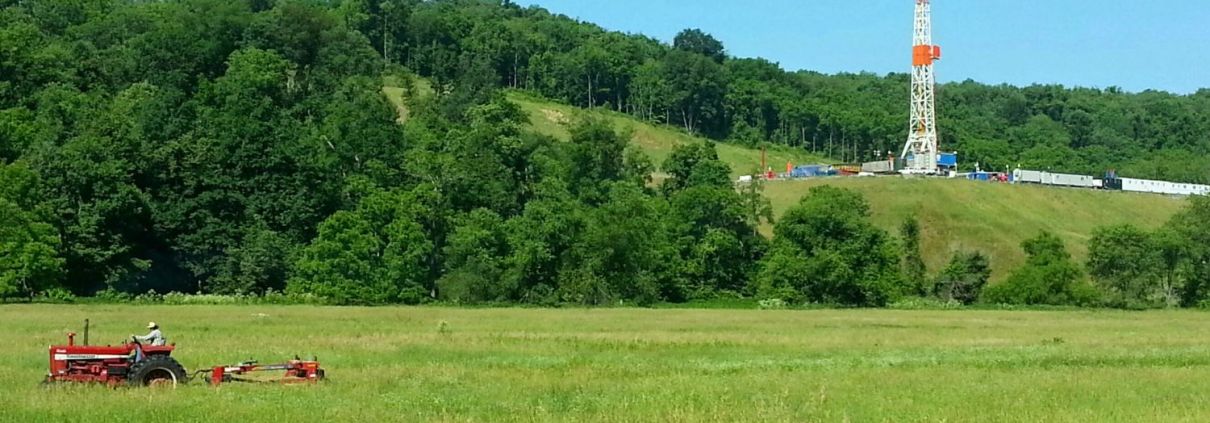
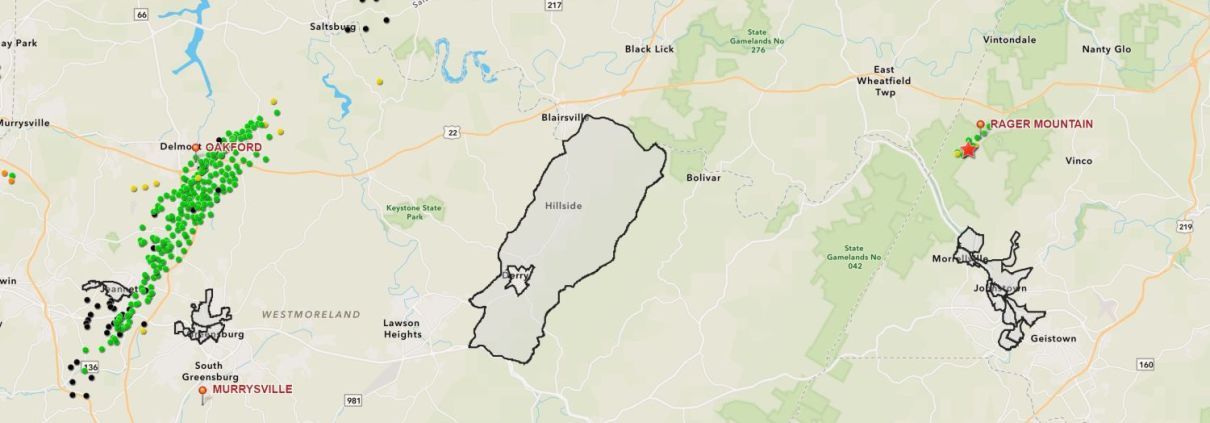
Studies in Pennsylvania find strong associations between hydraulic fracturing (“fracking”) and health risks, including respiratory issues and increased risk of childhood cancer.
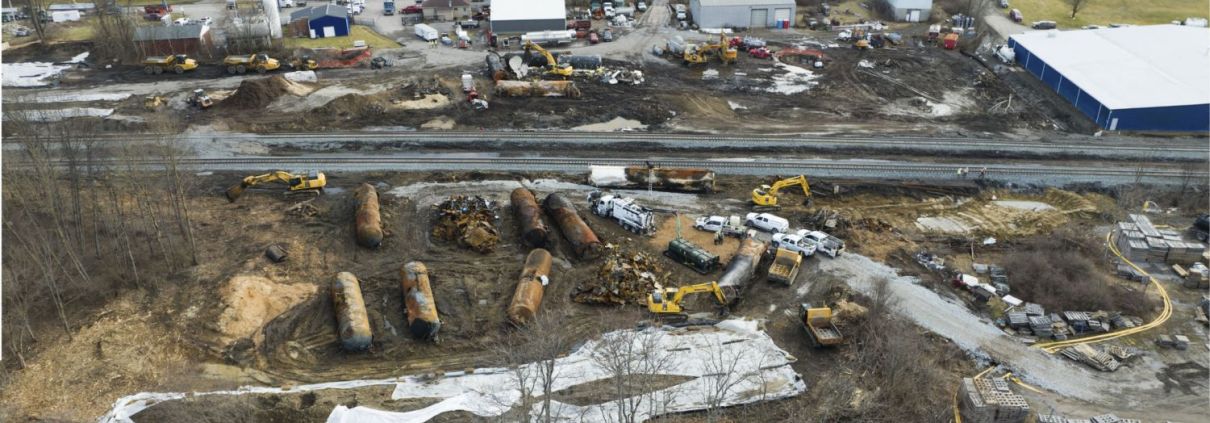
FracTracker explores the environmental and community impacts of the Norfolk Southern train derailment in East Palestine, Ohio, in February 2023.
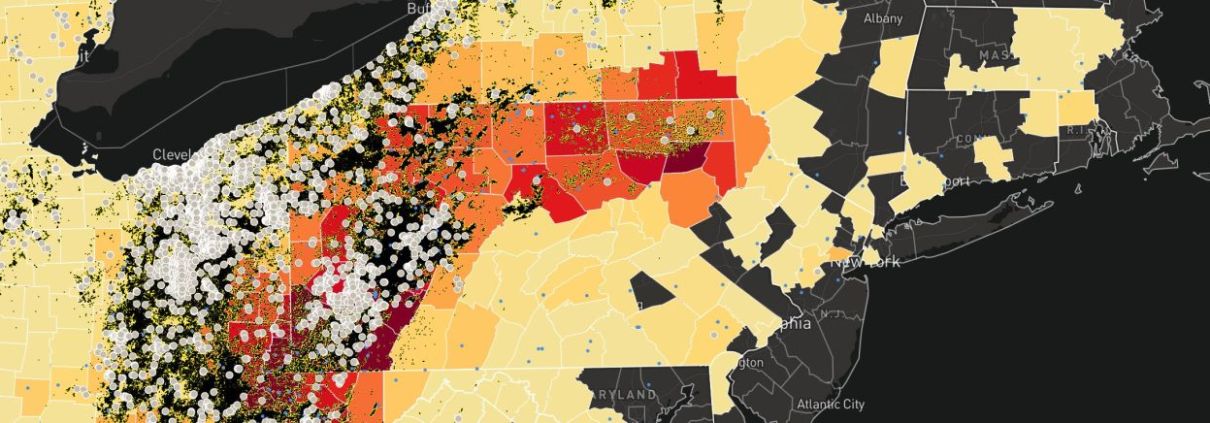
This analysis provides a top-level summary of pipeline incidents reported to the Pipeline and Hazardous Materials Safety Administration (PHMSA) and examines whether or not safe oversight of the industry is possible.
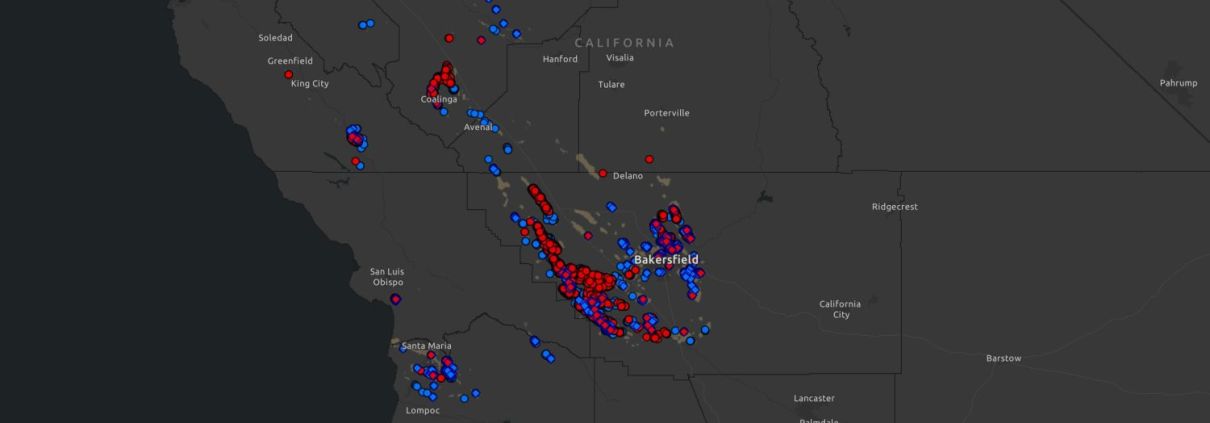
This analysis shows that the policy proposed in SB 1137 of denying rework permits within the health protection zones is a commonsense public health intervention that would have minimal effects on production within the protection zone.
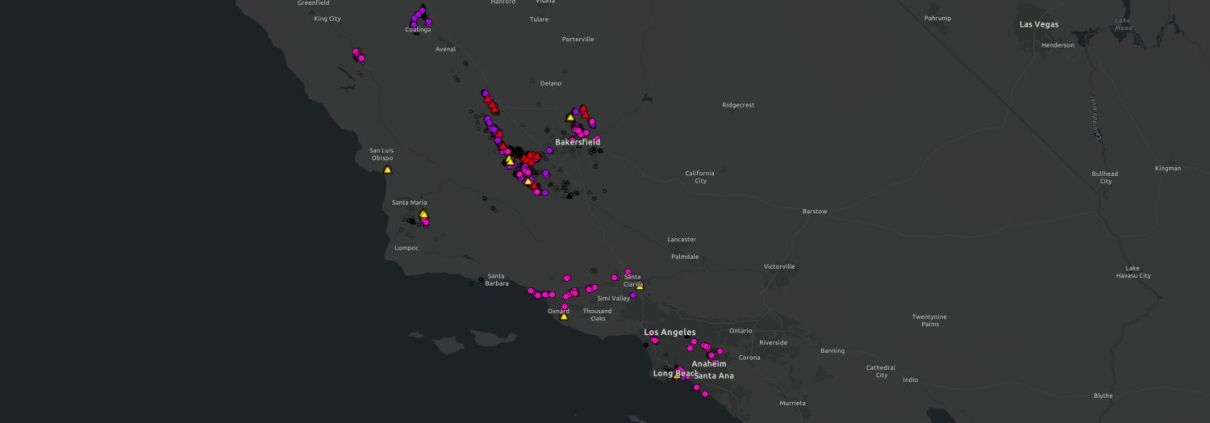
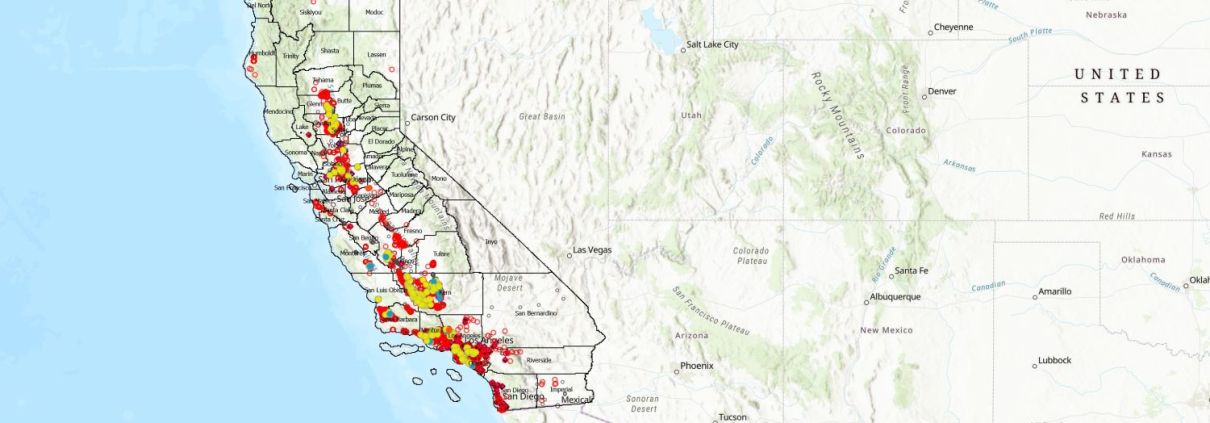
During the fourth quarter of 2022, California regulator CalGEM issued oil and gas operators 222 new drilling permits, an increase of over 750% compared to the fourth quarter of 2021. Of those, nearly half (100; 47%) were for wells located within the 3,200’ public health setback zone.
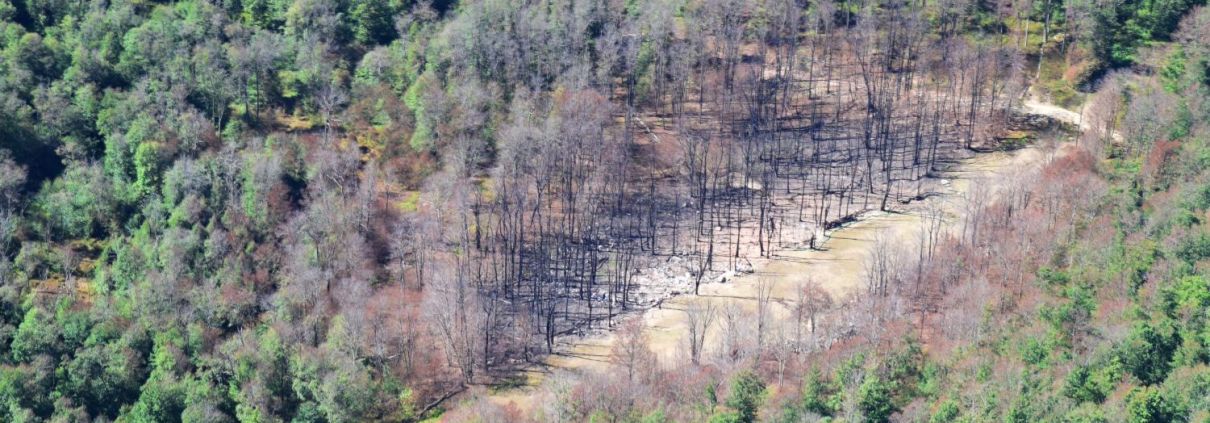
Following an enormous gas leak in Jackson Township, Cambria County Pennsylvania, we mapped oil and gas storage wells and fields throughout the state and found that the majority of Pennsylvania’s storage wells were drilled prior to 1979, making them most vulnerable to well failures.
We are pleased to announce that FracTracker Alliance has been selected for two EPA grants totaling $925,302 to support community air monitoring initiatives in the Ohio River Valley.
A white paper by Columbus Community Rights Coalition (CCRC) will inform resident stakeholders of risks to the water associated with oil & gas production activities occurring within their watershed region of Columbus, Ohio.
Our statement regarding the University of Pittsburgh and the Pennsylvania Department of Health abruptly dropping out of a public meeting on their own environmental health studies.
Industries that stand to capitalize on the proliferation of carbon capture and storage are aggressively pursuing its development despite its wide-ranging risks and diminishing returns for communities across the U.S.