Threats of Permitting New Liquefied Natural Gas Terminals in the Pacific Northwest
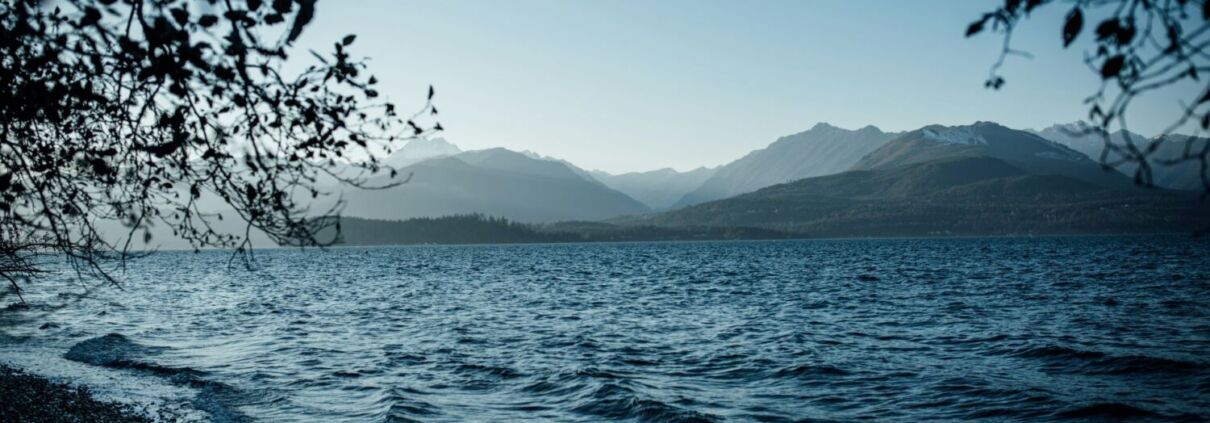
The Pacific Northwest is emerging as a frontline for petrochemical expansion, with new proposals for LNG terminals, pipelines, and transport routes.
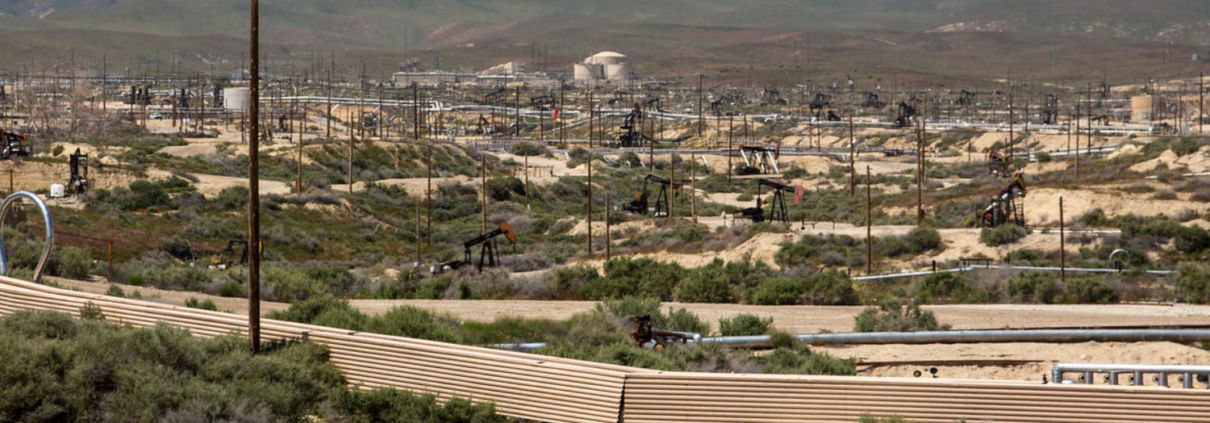
Analysis of CalGEM data shows California’s new oil wells average only 13.5 barrels/day, far below the 30 barrels/day projected in state legislation.
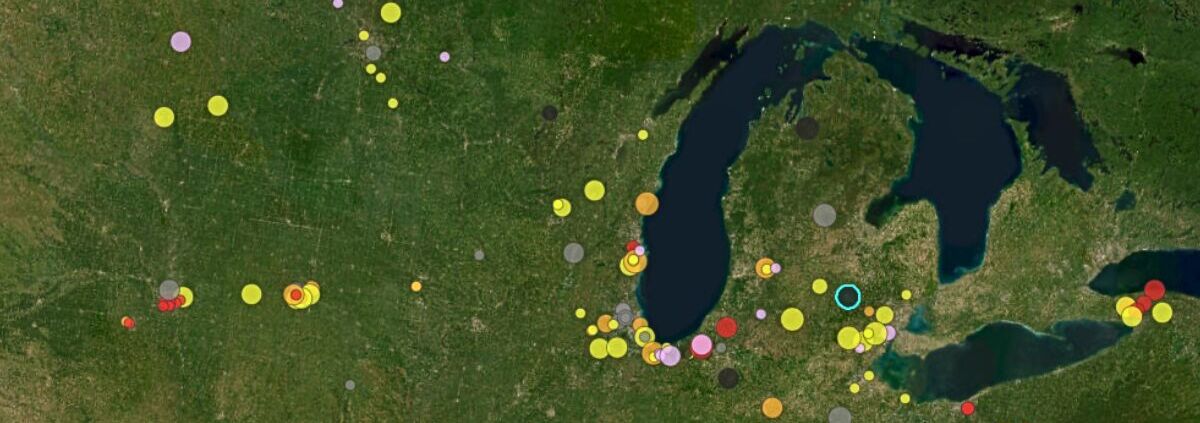
FracTracker Alliance has launched two new public data portals that make information on oil, gas, and petrochemical development free and accessible to the public.
As AI data centers multiply across the United States, communities face rising energy demands, pollution, and regulatory gaps. FracTracker’s new National Data Centers Tracker maps existing, proposed, and permitted facilities nationwide.
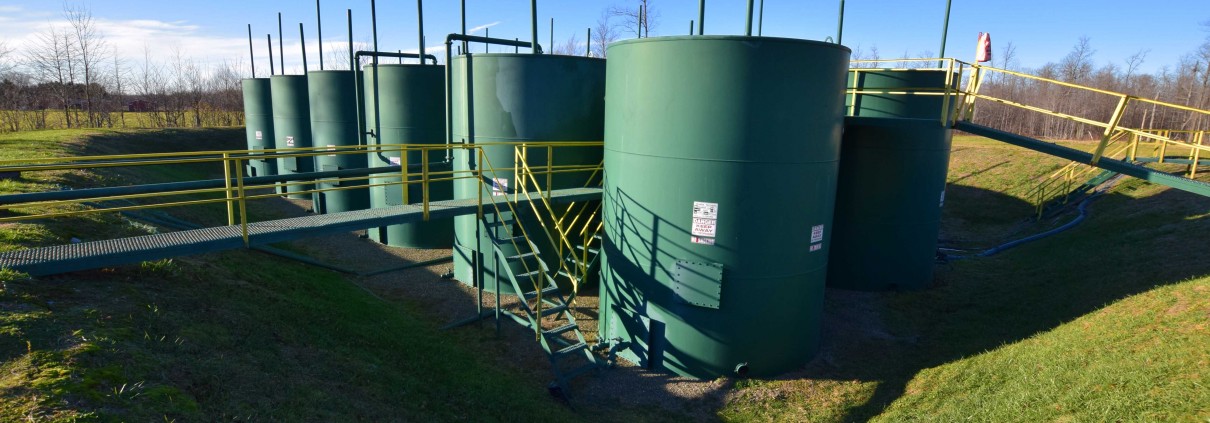
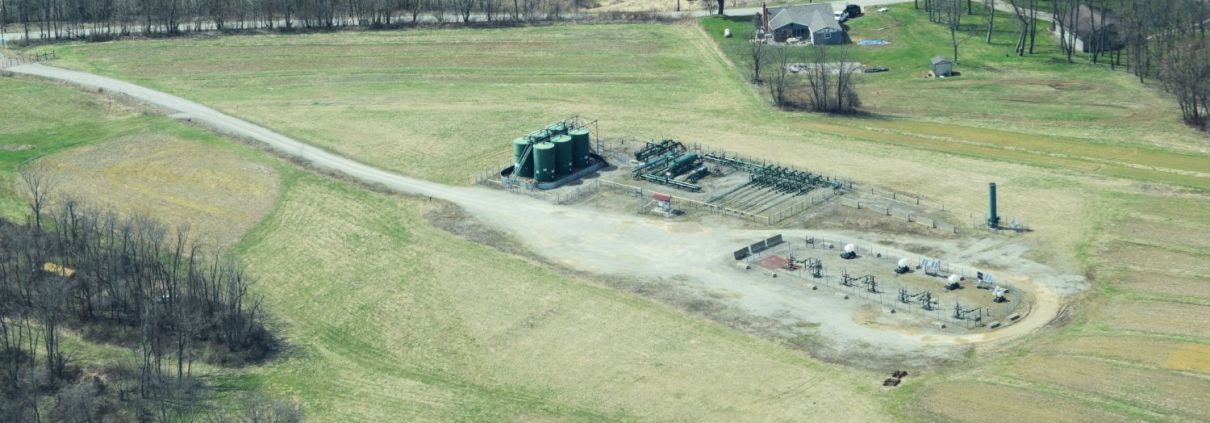
Plum Borough’s Zoning Hearing Board unanimously rejected Penneco Environmental Solutions’ proposal for a second fracking waste injection well.
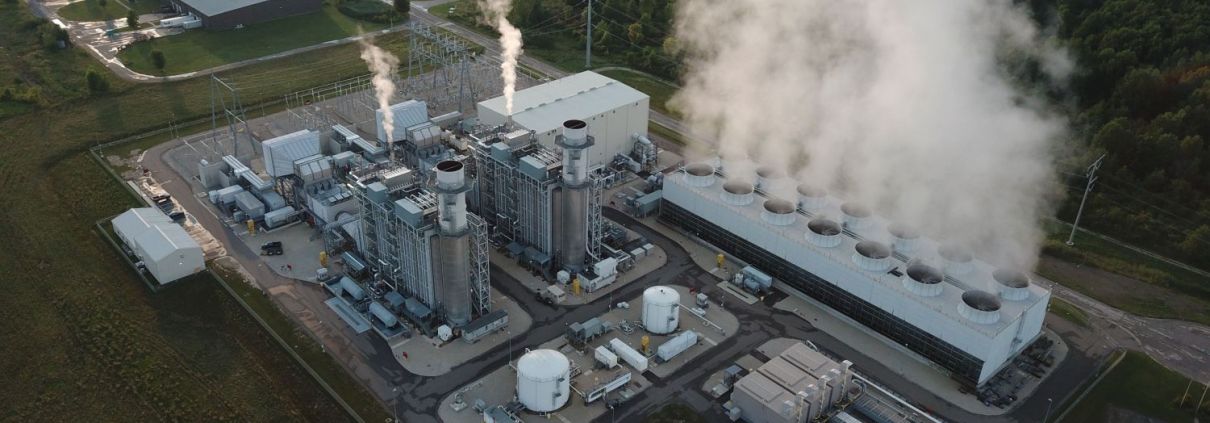
A FracTracker analysis investigates the link between energy infrastructure and economic distress, revealing that U.S. power plants are disproportionately concentrated in counties with high unemployment.
On December 4, 2024, FracTracker Alliance and Halt the Harm Network hosted the 10th Annual Community Sentinel Awards for Environmental Stewardship.
Oil drilling in Los Angeles disproportionately burdens marginalized communities. This analysis shows elevated poverty and non-white demographics in areas with high well density, exacerbating environmental injustice.
Learn how proposed buffers around fracking sites could protect 3.6 million residents in Pennsylvania.
Fossil fuels dominate the U.S. energy market, but not because of free competition. With $760 billion in annual subsidies, oil and gas companies are propped up by taxpayer dollars.