Oil and Gas Pipelines
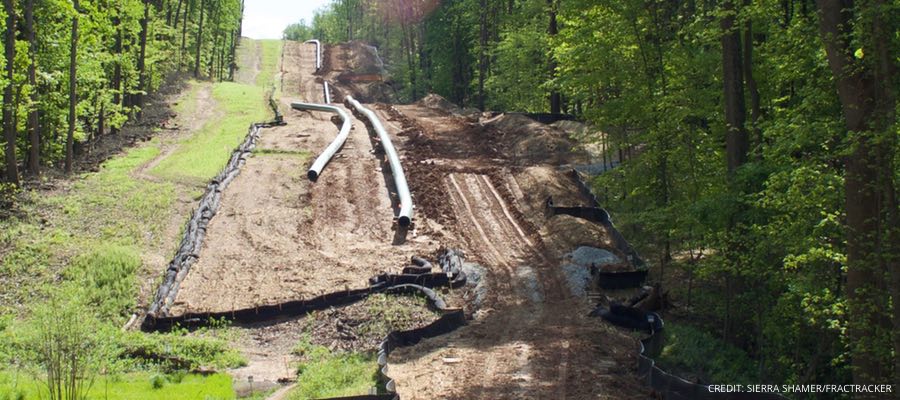
North America consists of a vast network of inter- and intrastate pipelines that transport products ranging from water to hazardous liquids to raw materials. The U.S. oil and gas pipeline network is estimated to be 2.6 million miles in length, delivering trillions of cubic feet of natural gas and hundreds of billions of tons of liquid petroleum products each year. The infrastructure’s main environmental health and safety risks include: land use and forest fragmentation, compressor station emissions, erosion and sedimentation, spills and leaks, and explosions.
Explore our site’s various articles about oil and gas pipeline issues below, listed in descending order by date.
Related articles
 https://www.fractracker.org/a5ej20sjfwe/wp-content/uploads/2018/01/Falcon-Public-EIA-Project-Feature-1.jpg
400
900
FracTracker Alliance
https://www.fractracker.org/a5ej20sjfwe/wp-content/uploads/2025/09/2025-Wordmark-Logo.png
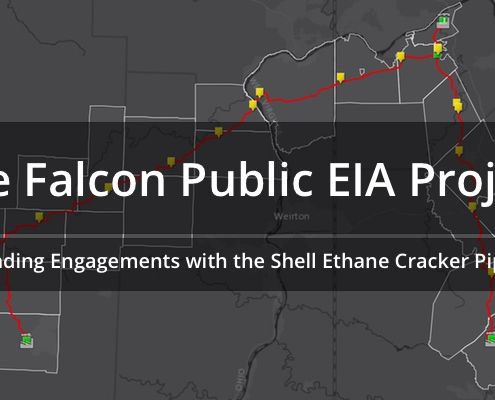
FracTracker Alliance2018-01-29 07:45:292021-04-15 15:01:56Wingspan of the Falcon Pipeline
https://www.fractracker.org/a5ej20sjfwe/wp-content/uploads/2018/01/Falcon-Public-EIA-Project-Feature-1.jpg
400
900
FracTracker Alliance
https://www.fractracker.org/a5ej20sjfwe/wp-content/uploads/2025/09/2025-Wordmark-Logo.png
FracTracker Alliance2018-01-29 07:45:292021-04-15 15:01:56Wingspan of the Falcon Pipeline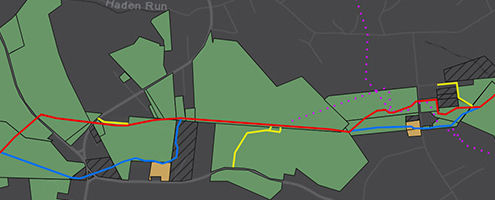 https://www.fractracker.org/a5ej20sjfwe/wp-content/uploads/2017/01/Falcon_header_routes.jpg
200
900
FracTracker Alliance
https://www.fractracker.org/a5ej20sjfwe/wp-content/uploads/2025/09/2025-Wordmark-Logo.png
FracTracker Alliance2018-01-27 14:43:342021-04-15 15:01:57The Falcon: Routes, Facilities & Easements
https://www.fractracker.org/a5ej20sjfwe/wp-content/uploads/2017/01/Falcon_header_routes.jpg
200
900
FracTracker Alliance
https://www.fractracker.org/a5ej20sjfwe/wp-content/uploads/2025/09/2025-Wordmark-Logo.png
FracTracker Alliance2018-01-27 14:43:342021-04-15 15:01:57The Falcon: Routes, Facilities & Easements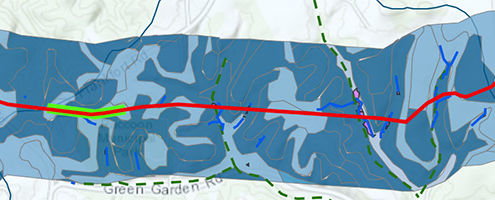 https://www.fractracker.org/a5ej20sjfwe/wp-content/uploads/2017/01/Falcon_header_water.jpg
200
900
FracTracker Alliance
https://www.fractracker.org/a5ej20sjfwe/wp-content/uploads/2025/09/2025-Wordmark-Logo.png
FracTracker Alliance2018-01-26 10:29:192021-04-15 15:01:58The Falcon: Water Crossings & Hazards
https://www.fractracker.org/a5ej20sjfwe/wp-content/uploads/2017/01/Falcon_header_water.jpg
200
900
FracTracker Alliance
https://www.fractracker.org/a5ej20sjfwe/wp-content/uploads/2025/09/2025-Wordmark-Logo.png
FracTracker Alliance2018-01-26 10:29:192021-04-15 15:01:58The Falcon: Water Crossings & Hazards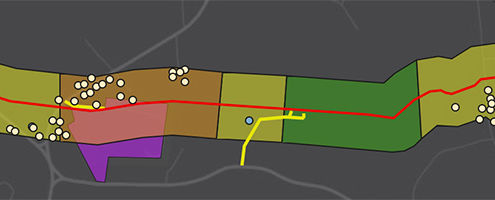 https://www.fractracker.org/a5ej20sjfwe/wp-content/uploads/2017/01/Falcon_header_class.jpg
200
900
FracTracker Alliance
https://www.fractracker.org/a5ej20sjfwe/wp-content/uploads/2025/09/2025-Wordmark-Logo.png
FracTracker Alliance2018-01-25 10:38:352021-04-15 15:02:00The Falcon: Class Locations, Buildings & Recreational Areas
https://www.fractracker.org/a5ej20sjfwe/wp-content/uploads/2017/01/Falcon_header_class.jpg
200
900
FracTracker Alliance
https://www.fractracker.org/a5ej20sjfwe/wp-content/uploads/2025/09/2025-Wordmark-Logo.png
FracTracker Alliance2018-01-25 10:38:352021-04-15 15:02:00The Falcon: Class Locations, Buildings & Recreational Areas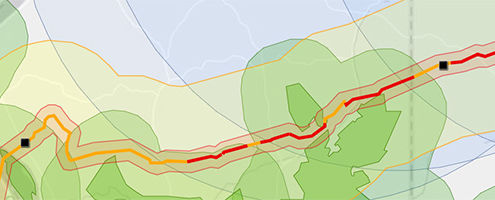 https://www.fractracker.org/a5ej20sjfwe/wp-content/uploads/2017/01/Falcon_header_HCA.jpg
200
900
FracTracker Alliance
https://www.fractracker.org/a5ej20sjfwe/wp-content/uploads/2025/09/2025-Wordmark-Logo.png
FracTracker Alliance2018-01-24 10:39:082021-04-15 15:02:00The Falcon: High Consequence Areas & Potential Impact Zones
https://www.fractracker.org/a5ej20sjfwe/wp-content/uploads/2017/01/Falcon_header_HCA.jpg
200
900
FracTracker Alliance
https://www.fractracker.org/a5ej20sjfwe/wp-content/uploads/2025/09/2025-Wordmark-Logo.png
FracTracker Alliance2018-01-24 10:39:082021-04-15 15:02:00The Falcon: High Consequence Areas & Potential Impact Zones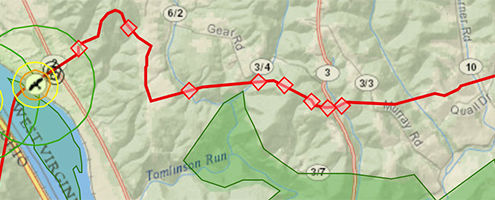 https://www.fractracker.org/a5ej20sjfwe/wp-content/uploads/2017/01/Falcon_header_species.jpg
200
900
FracTracker Alliance
https://www.fractracker.org/a5ej20sjfwe/wp-content/uploads/2025/09/2025-Wordmark-Logo.png
FracTracker Alliance2018-01-23 08:41:202021-04-15 15:02:01The Falcon: Protected Habitats & Species of Concern
https://www.fractracker.org/a5ej20sjfwe/wp-content/uploads/2017/01/Falcon_header_species.jpg
200
900
FracTracker Alliance
https://www.fractracker.org/a5ej20sjfwe/wp-content/uploads/2025/09/2025-Wordmark-Logo.png
FracTracker Alliance2018-01-23 08:41:202021-04-15 15:02:01The Falcon: Protected Habitats & Species of Concern