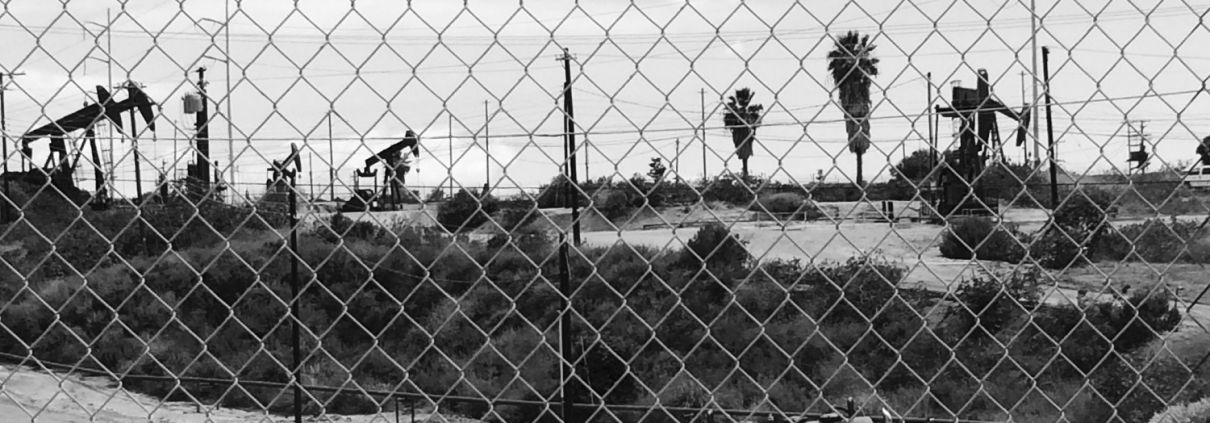

Implications of a 3,200-foot Setback in California
California is the only major oil state without a health and safety setback from fossil fuel activity. This article explores what a setback in California means for its people and environment.

The majority of FracTracker’s posts are generally considered articles. These may include analysis around data, embedded maps, summaries of partner collaborations, highlights of a publication or project, guest posts, etc.
California is the only major oil state without a health and safety setback from fossil fuel activity. This article explores what a setback in California means for its people and environment.
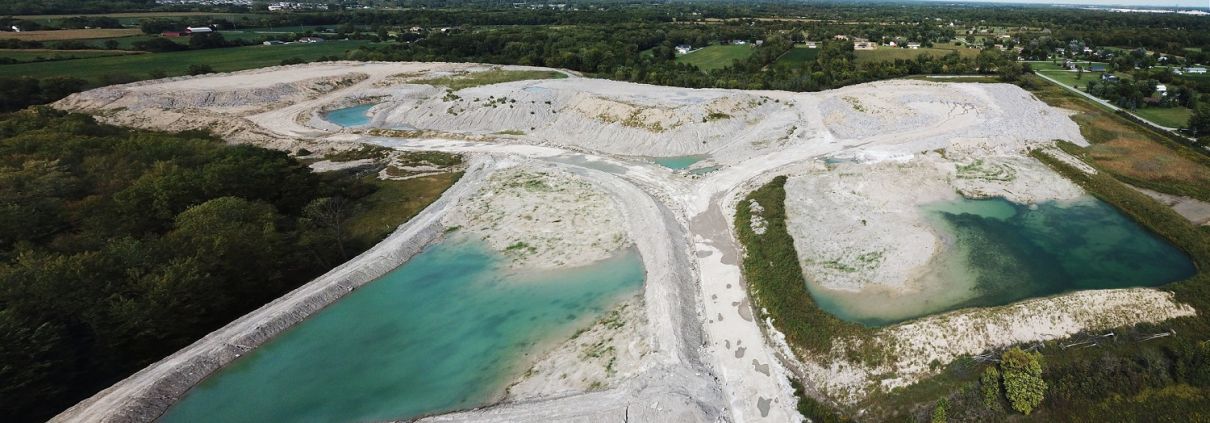

Varying across municipalities, mine permitting in Michigan can bring very serious consequences. This is the second of a two-part series.
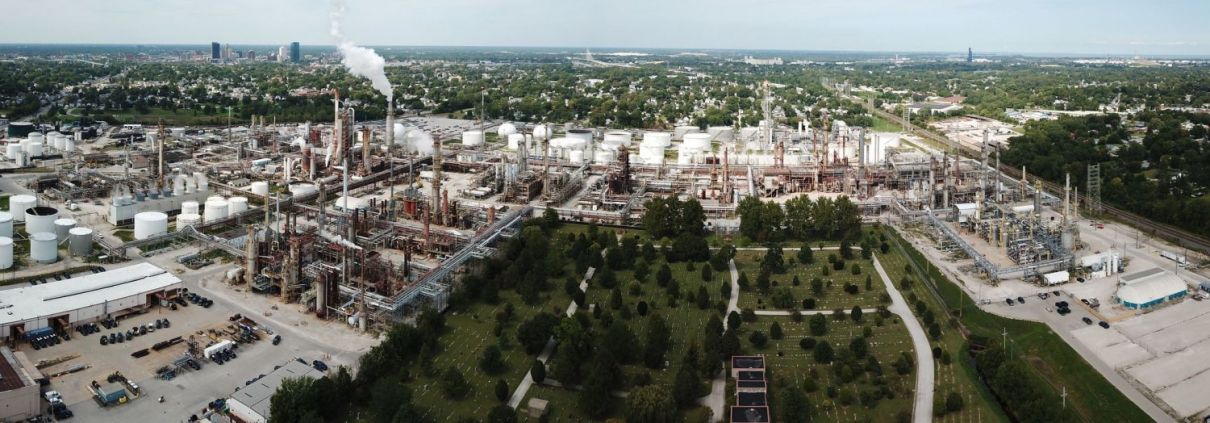

A complete guide to the social, environmental, and economic risks associated with the petrochemical industry in the United States
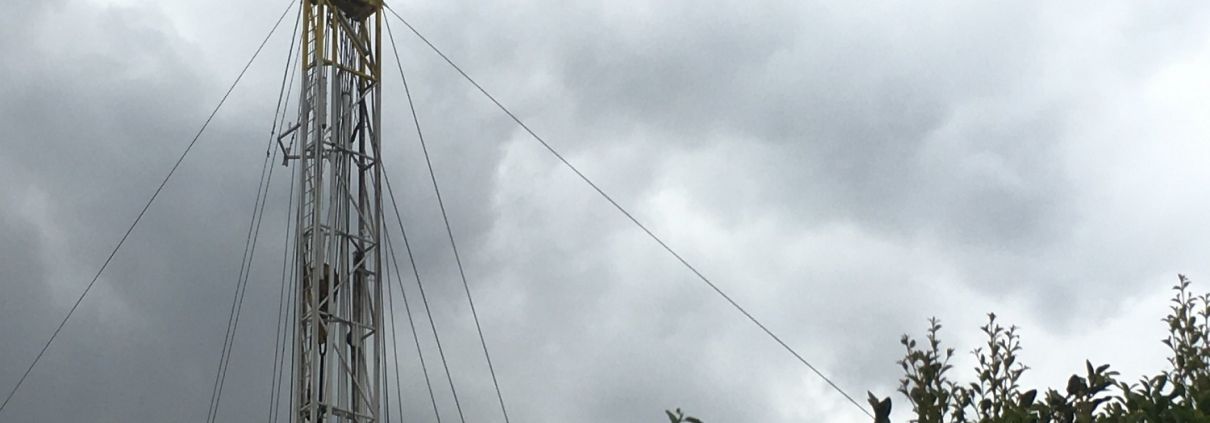
FracTracker’s recent analysis finds that California’s drilling permit approvals have slowed since last October, but not across the board. This trend only applies to permits for new drilling and enhanced oil recovery (EOR) wells.
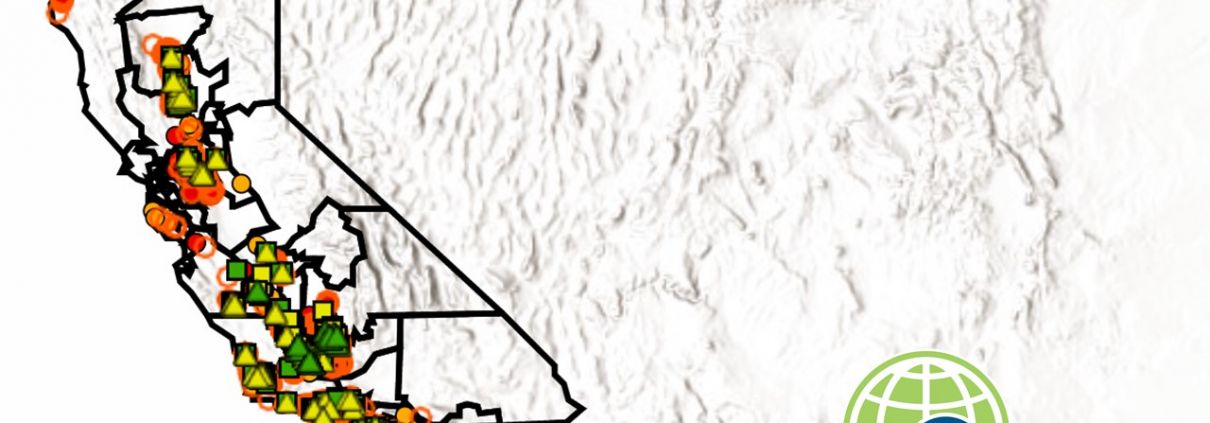
FracTracker has been working with grassroots organizations to inform legislators and locals about oil and gas extraction in their districts, including maps and tables of the infrastructure in their areas.
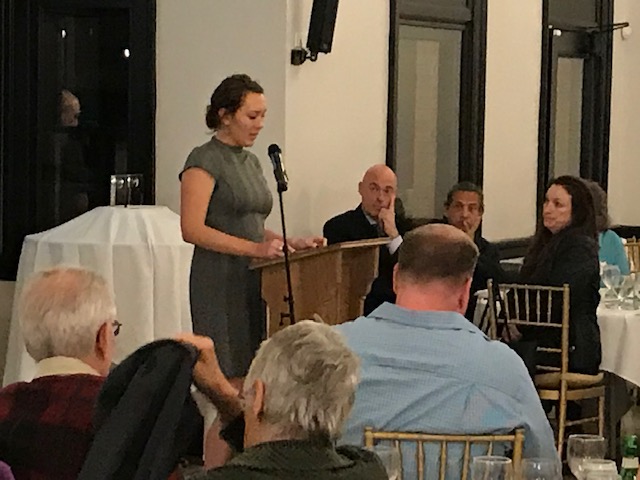

FracTracker Alliance names Shannon Smith as Executive Director. Shannon has been with FracTracker since May 2019, initially in the role of Manager of Communications & Development, and more recently as Interim Executive Director.
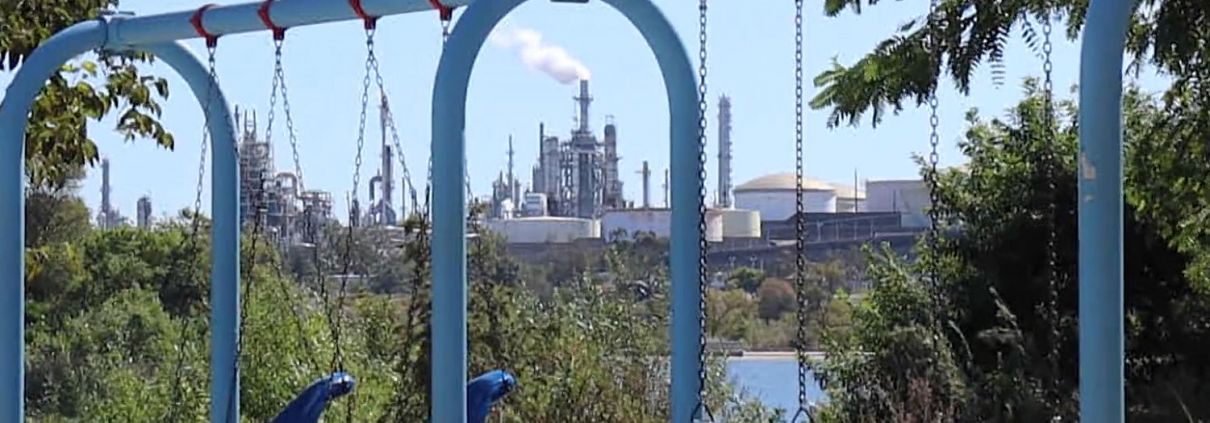
FracTracker’s Erica Jackson outlines ten things she learned in Break Free From Plastic’s virtual Toxic Tours.
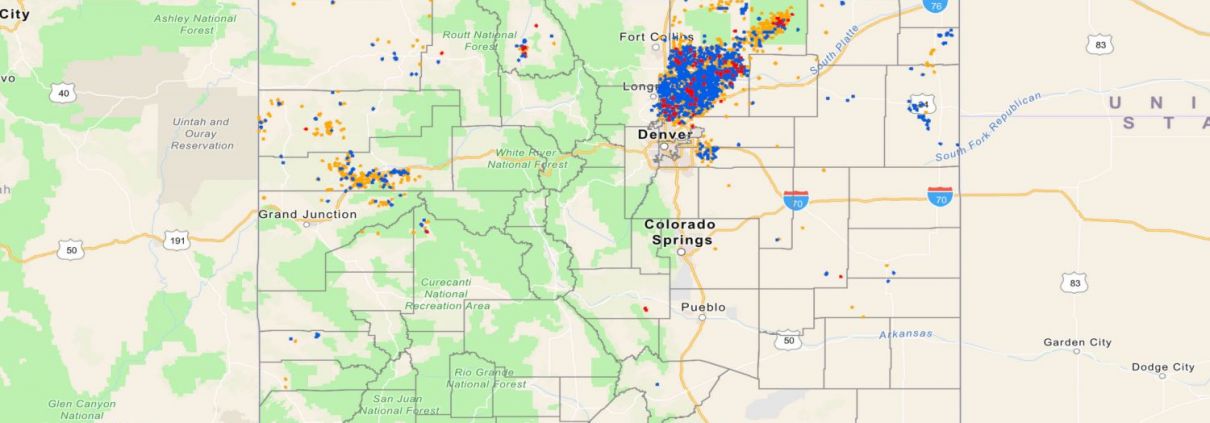

A report by PSR provides evidence that oil and gas companies have been using dangerous PFAS “forever chemicals” in CO wells.
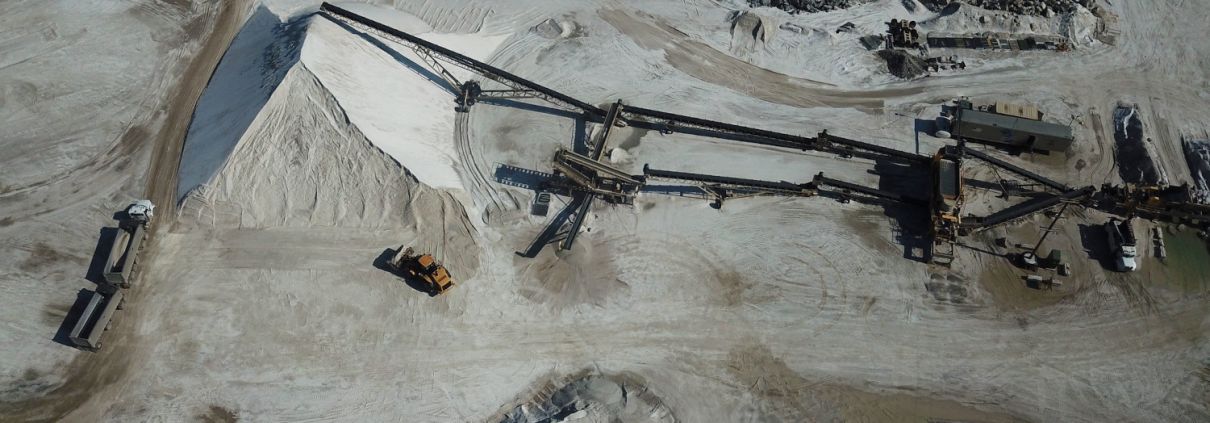
This guest article outlines the role of local government in determining Michigan’s frac sand permitting and explores how decisions can vary.
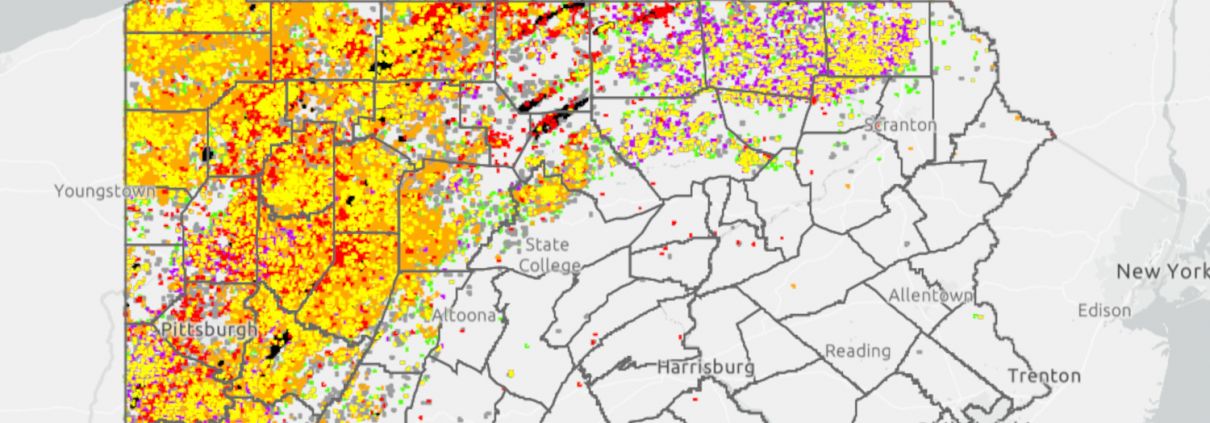
FracTracker’s new Pennsylvania oil and gas well map displays conventional and unconventional wells and violations as of January 12, 2022.

216 Franklin St, Suite 400, Johnstown, PA 15901
Phone: +1 (717) 303-0403 | info@fractracker.org
FracTracker Alliance is a 501(c)3 non-profit: Tax identification number: 80-0844297