The majority of FracTracker’s posts are generally considered articles. These may include analysis around data, embedded maps, summaries of partner collaborations, highlights of a publication or project, guest posts, etc.

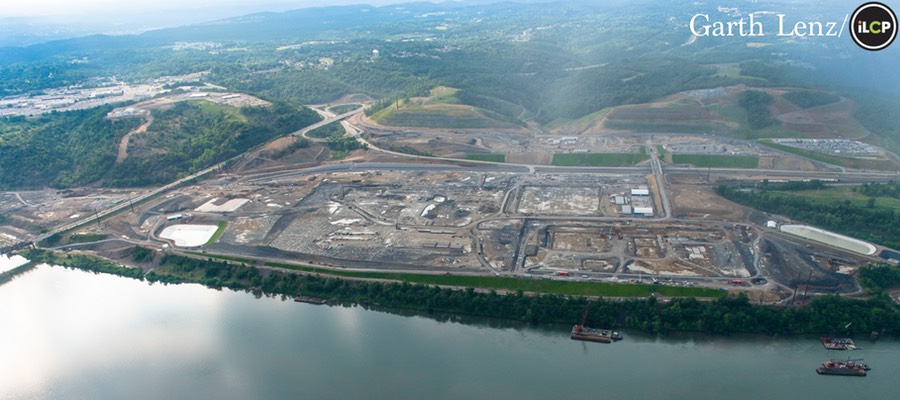
Photo by Garth Lenz, iLCP - for Ethane Cracker article about risk and disclosure

Understanding in Order to Prepare: Ethane Cracker Risk and Disclosure

By Leann Leiter and Lisa Graves Marcucci
Maps and data analysis by Kirk Jalbert

Highly industrialized operations like petrochemical plants inherently carry risks, including the possibility of large-scale disasters. In an effort to prepare, it is incumbent upon all stakeholders to fully understand the risk potential. Yet, the planned Shell ethane cracker and additional petrochemical operations being proposed for Western Pennsylvania are the first of their kind in our region. This means that residents and elected officials are without a frame of reference as they consider approving these operations. Officials find themselves tasked with reviewing and approving highly complicated permit applications, and the public remains uncertain of what questions to ask and scenarios to consider. Often overlooked in the decision-making process is valuable expertise from local first responders like police, fire and emergency crew members, HAZMAT teams, and those who protect vulnerable populations, like emergency room personnel, nursing home staff, and school officials.
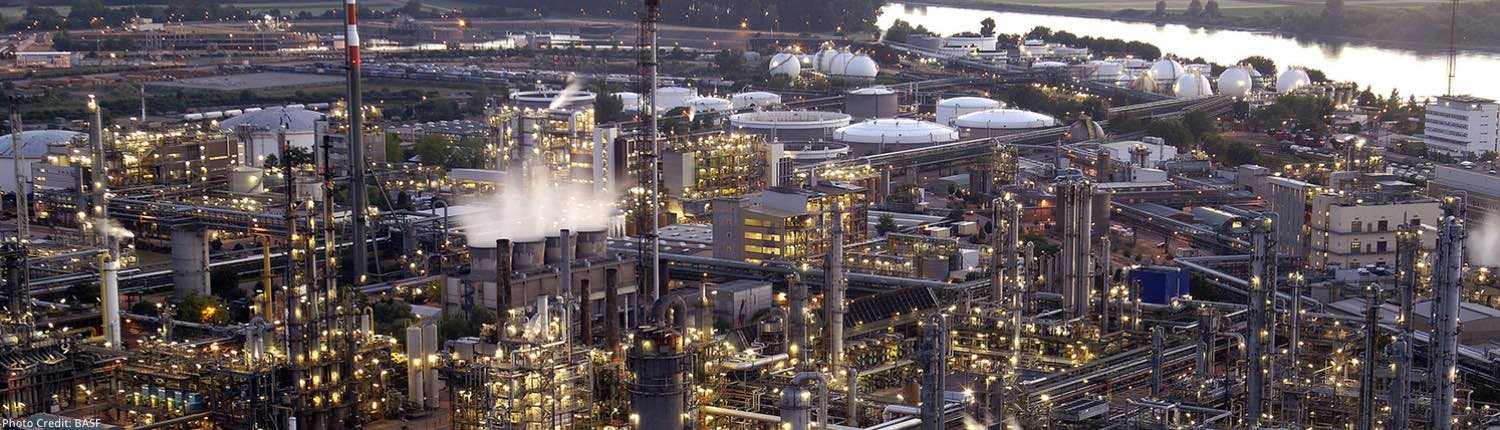
Steam cracker at BASF's Ludwigshafen site. Photo credit: BASF - for risk and disclosure article

Example of cracker producing ethylene, located at BASF’s Ludwigshafen site. Photo credit: BASF

In the first article in this series , we tried to identify the known hazards associated with ethane crackers. In this article, we look more closely at how that risk could play out in Beaver County, PA and strive to initiate an important dialogue that invites valuable, local expertise.

In keeping with the first article in this series, we use the terms vulnerability and capacity. Vulnerability refers to the conditions and factors that increase the disaster impact that a community might experience, and capacity consists of the strengths that mitigate those impacts. Importantly, vulnerability and capacity frequently intertwine and overlap. We might, for example, consider a fire station to be a site of “capacity,” but if it lies within an Emergency Planning Zone (discussed more below), an explosion at the plant could render it a vulnerability. Likewise, “vulnerable” populations such as the elderly may have special skills and local knowledge, making them a source of capacity.

Emergency Planning: Learning from Louisiana

FracTracker got in touch with the Emergency Operations Center (EOC) in St. Charles Parish, Louisiana, to learn how a community already living with Shell-owned and other petrochemical facilities manages risk and disclosure. The Emergency Manager we spoke with explained that they designate a two- and a five-mile area around each new facility in their jurisdiction, like ethane crackers, during their emergency planning process. They call these areas “ emergency planning zones ” or EPZs, and they maintain records of the vulnerabilities and sites of capacity within each zone. In case of a fire, explosion, or other unplanned event at any facility, having the EPZs designated in advance allows them to mobilize first responders, and notify and evacuate everyone living, working, and attending school within the zone. Whether they activate a two- or a five-mile EPZ depends on the type of incident, and factors like wind speed and direction.

Based on those procedures, the map below shows similar likely zones for the proposed plant in Beaver County, along with sites of vulnerability and capacity.

Ethane Cracker Hazard Map

View Map Fullscreen | How FracTracker Maps Work

The map helps us visualize the vulnerability and capacity of this area, relative to the proposed ethane cracker. It includes three main elements: the Shell site and parcels likely to be targeted for buildout of related facilities, two Emergency Planning Zones (EPZs) around the Shell facility, and infrastructure and facilities of the area that represent vulnerability and capacity.
vacant-parcels

Vacant parcels near the site

It is important to note that the proposed ethane cracker in Beaver County is merely the first of an influx of petrochemical spin-off facilities promised for the area, potentially occupying the various empty parcels indicated on the map above as “vacant properties” and presented in light gray in the screenshot left.

Each new facility would add its own risks and cumulative impacts to the equation. It would be impossible to project these additional risks without knowing what facilities will be built here, so in this article, we stick to what we do know – the risks already articulated by Shell, lessons learned from other communities hosting petrochemical industry in other parts of the country, and past disasters at similar facilities.

Vulnerability and Capacity in Beaver County

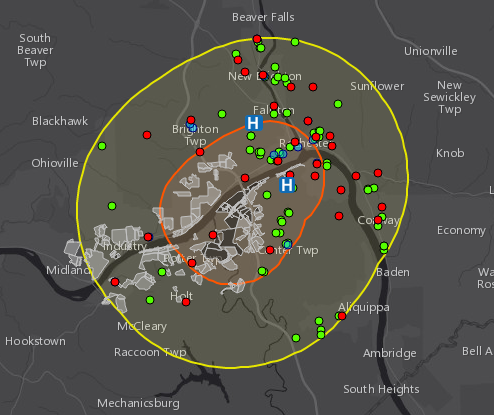
Red, blue, and green points on the map above and in the screenshot below stand in for hospitals like Heritage Valley Beaver; fire and emergency medical services like Vanport Volunteer Fire Company; police stations like the Beaver County Sheriff’s office; and daycares and schools like Center Grange Primary School.

Transportation routes, if impacted, could challenge evacuation. Potter Township Fire Chief Vicki Carlton pointed out that evacuations due to an event at this facility could also be complicated by the need to stay upwind, when evacuations would likely move in a downwind direction. This map lacks drinking water intakes and other essential features upon which lives depend, but which nonetheless also sit within this zone of vulnerability.
points-within-epzs

Points within EPZS

Vulnerability/capacity within 2-mile zone:

  • 1 hospital
  • 5 police stations
  • 10 fire/EMS stations
  • 23 schools/daycare facilities
  • 47,717 residents*

When expanded to 5-mile zone:

  • 2 hospitals
  • 9 police stations
  • 23 fire/EMS stations
  • 40 schools/daycare facilities
  • 120,849 residents*

*Note: For census tracts that are partly within a zone, a ratio is determined based on the percentage of land area in the tract within the zone. This ratio is then used to estimate the fraction of the population likely within the zone.

Stakeholders’ Right to Know

No person or community should be subjected to risk without the opportunity to be fully informed and to give meaningful input. Likewise, no group of people should have to bear a disproportionate share of environmental risks, particularly stakeholders who are already frequently disenfranchised in environmental decision-making. “Environmental justice” (EJ) refers to those simple principles, and DEP designates environmental justice areas based on communities of color and poverty indicators.

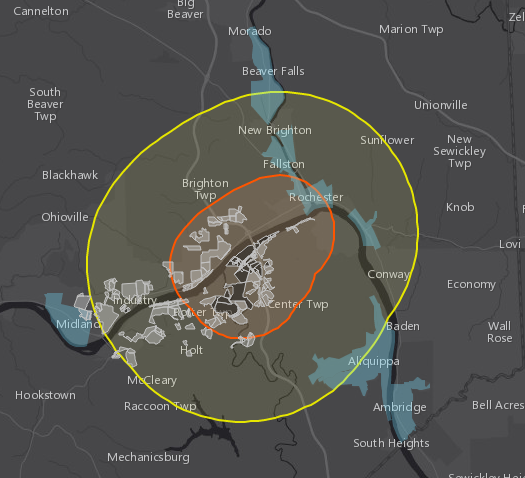
Presented as blue fields on the map and shown in the screenshot below, several state-designated EJ areas fall partially or entirely within the 2- and 5-mile EPZs (a portion of two EJ areas home to 2,851 people, and when expanded to five miles, two entire EJ areas and a portion of seven more, home to 18,679 people, respectively).
EJ Areas and Emergency Planning Zones around the Site

EJ Areas and Emergency Planning Zones around the Site

The basic ideas behind environmental justice have major bearing in emergency scenarios. For example, those living below the poverty line tend to have less access to information and news sources, meaning they might not learn of dangerous unexpected emissions plumes coming their way. They also may not have access to a personal vehicle, rendering them dependent upon a functioning public transportation system to evacuate in an emergency. Living below poverty level may also mean fewer resources at home for sheltering-in-place during a disaster, and having less financial resources, like personal savings, may lead to more difficult post-disaster recovery.

Local expertise

FracTracker recently consulted with the Emergency Management Director for Beaver County, Eric Brewer, and with Potter Township Fire Chief Vicki Carlton. Both indicated that their staff have already begun training exercises with Shell -including a live drill on site that simulated a fire in a work trailer. But when asked, neither reported that they had been consulted in the permit approval process. Neither had been informed of the chemicals to be held on site, and both referred to emergency planning considerations as something to come in the future, after the plant was built.

Unfortunately, the lack of input from public safety professionals during the permit approval stage isn’t unique to Beaver County. Our emergency management contact in Louisiana pointed to the same disturbing reality: Those who best understand the disaster implications of these dangerous developments and who would be mobilized to respond in the case of a disaster are not given a say in their approval or denial. This valuable local expertise – in Louisiana and in Beaver County – is being overlooked.

All Beaver County first responders who spoke with FracTracker clearly showed their willingness to perform their duties in any way that Shell’s new facility might demand, hopefulness about its safety, and a generally positive relationship with the company so far. Chief Carlton believes that the ethane cracker will be an improvement over the previous facility on the same site, the Horsehead zinc smelter, though a regional air pollution report characterizes this as a trade off of one type of dangerous pollution for another. Director Brewer pointed to the existing emergency plans for the county’s nuclear facility as giving Beaver County an important leg-up on preparedness.

But the conversations also raised concern about what the future relationship between the community and the industry will look like. Will funds be allocated to these first responders for the additional burdens brought on by new, unprecedented facilities, in what amount, and for how long into the future? Chief Carlton pointed out that until Shell’s on-site fire brigade is in place two or three years from now, her all-volunteer department would be the first line of defense in case of a fire or other incident. In the meantime, her fire company has ordered a much-needed equipment upgrade to replace a 30-year old, outdated tanker at a cost of $400,000. They are formally requesting all corporate businesses in the township, including Shell, to share the cost. Hopefully, the fire company will see this cost covered by their corporate neighbors who use their services. But further down the road? Once all is said and done, and Shell has what they need to operate unfettered, Chief Carlton wonders, “where do we stand with them?”

Waiting for disclosure of the risks

Emergency preparedness and planning should be a process characterized by transparency and inclusion of all stakeholders. However, when it comes to the Shell ethane cracker, those who will share a fence line with such operations have not yet been granted access to the full picture. Currently, the DEP allows industrial operations like the proposed ethane cracker to wait until immediately before operations begin to disclose emergency planning information, in the form of Preparedness, Prevention, and Contingency (PPC) plans. In other words, when permits are up for approval or denial prior to construction, permit applicants are not currently required to provide PPC plans, and the public and emergency managers cannot weigh the risks or provide crucial input.

Shell’s Acknowledged Risks
According to public information provided by Shell

Sampling of Shell’s Disastrous
Petrochemical Precedents

Fire and Explosions

Shell’s Deer Park, Texas, 1997:
Blast at chemical plant

Leaks

Shell’s Deer Park, Texas refinery and chemical plant, 2013:
Harmful air pollution and benzene leak

Equipment Failures

Shell’s Martinez Refinery in California, 2016:
Equipment failure event; Shell’s refusal to reveal gases emitted

According to Shell, possible risks of the proposed Beaver County petrochemical facility include fire, explosion, leaks, and equipment failures. More than mere potentialities, examples of each are already on the books. The above table presents a sampling. Shell also points out the increased risk of traffic accidents, not explored in this chart. It is worth noting, however, that the proposed facility, and likely spin-off facilities, would greatly increase vehicular and rail traffic.

The ethane cracker in Beaver County plant has not yet been constructed. However, Shell operates similar operations with documented risks and their own histories of emergency events. Going forward, the various governmental agencies tasked with reviewing permit applications should require industrial operations like Shell, to make this information public as part of the review and planning process. Currently they can relegate safety information to a few vague references and get a free pass to mark it as “confidential” in permit applications. Strengthening risk disclosure requirements would be a logical and basic step toward ensuring that all stakeholders – including those with special emergency planning expertise – can have input on whether those risks are acceptable before permits are approved and site prep begins.

Until regulations are tightened, we invite Shell to fulfill its own stated objective of being a “good neighbor” by being forthcoming about what risks will be moving in next door. Shell can and should take the initiative to share information about its existing facilities, as well as lessons learned from past emergencies at those sites. Instead of waiting for the post-construction, or the “implementation” stage, all stakeholders deserve disclosure of Shell’s plans to prevent and respond to emergencies now.

In our next article, we will explore the infrastructure for the proposed Shell facility, which spans multiple states, and sort out the piecemeal approval processes of building an ethane cracker in Pennsylvania.


Sincere Appreciation

Emergency Managers and First Responders in St. Charles Parish, Louisiana and Potter Township and Center Township, PA.

Lisa Hallowell, Senior Attorney at the Environmental Integrity Project, for her review of this article series and contributions to our understanding of relevant regulations.

Kirk Jalbert, in addition to maps and analysis, for contributing key points of consideration for and expertise on environmental justice.

The International League of Conservation Photographers for sharing the feature image used in this article.

The image used on our homepage of the steam cracker at BASF’s Ludwigshafen site was taken by BASF.


By Leann Leiter, Environmental Health Fellow for FracTracker Alliance and the Southwest PA Environmental Health Project and Lisa Graves Marcucci, PA Coordinator, Community Outreach of Environmental Integrity Project

With maps and analysis by Kirk Jalbert, Manager of Community-Based Research & Engagement, FracTracker Alliance
Susquehanna River Basin map article #2

Violations and Monitoring in Pennsylvania’s Susquehanna River Basin

The Susquehanna River is a 444-mile long waterway extending from the area around Cooperstown, New York to the Chesapeake Bay. In Pennsylvania, the basin includes more than 37,000 miles of streams that feed into the river, which capture the precipitation of more than 20,000 square miles of land, and is home to over 3.3 million people.

The region has been heavily impacted by oil and natural gas extraction in recent years; more than 5,500 unconventional wells and roughly 13,500 conventional wells have been drilled in the PA segment of the basin since 2000. Unconventional wells, in particular, have brought industrial-scaled activity, pollution, and waste products to a wide area of the basin, with especially heavy development occurring in three counties along Pennsylvania’s northern tier – Bradford, Susquehanna, and Tioga.

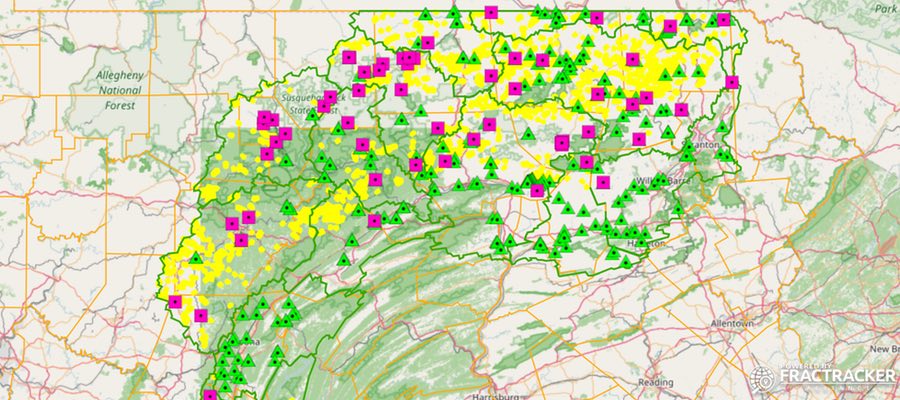
Several governmental agencies are involved with monitoring impacts to this massive watershed. This article focuses on the Pennsylvania portion of the basin, and examines how capable agency-run monitoring efforts are in capturing oil and gas (O&G) related pollution events. The Pennsylvania Department of Environmental Protection (DEP), the US Geological Survey (USGS), and the Susquehanna River Basin Commission (SRBC) maintain a combined network of 274 monthly “grab sample” monitoring sites and 58 continuous data loggers in the Pennsylvania portion of the river basin. Meanwhile, between January 1, 2000 and February 7, 2017, the DEP logged 6,522 on the O&G violations compliance report within the same region. More than three out of every four of these violations have been assessed to unconventional wells, even though only one out of every four active wells in the basin is categorized as such.

Map of O&G Monitoring & Violations in PA’s Susquehanna River Basin


View Map Fullscreen | How FracTracker Maps Work

Limitations of Monitoring Efforts

Grab samples obtained from official monitoring locations are the preferred method for regulatory purposes in understanding the long-term health of the river system. Researchers can test for any number of analytes from samples that are collected in-stream, but analyzed in certified laboratories. However, samples from these locations are collected periodically – usually once per month – and therefore are very likely to miss the effects of a significant spill or issue that may impact surface water chemistry for a number of hours or days before being diluted and washing downstream.

Continuous data loggers give regulators a near real-time assessment of what is happening in selected points in the basin, usually at 15-minute intervals. While there are numerous events that contribute to fluctuations in these measurements, these data loggers would be the most likely instruments available to register an event impacting the surface water within the basin. However, there are unique issues with data loggers. For instance, available data from these data loggers are much more limited in scope, as temperature, pH, and conductivity are typically the only available analytes. In addition, because the analysis occurs on site, the results carry less weight than laboratory results would. Finally, even though data loggers collect data at rapid intervals, only some are equipped to send data real-time to agency offices. Some data loggers must be manually collected on a periodic basis by program managers.

Perhaps the greatest challenge for monitoring in the Susquehanna River Basin is that it is simply not practical to monitor in all places likely to be impacted by oil and gas operations. Testing within the jurisdiction of the Susquehanna River Basin is actually fairly extensive when compared to other regions, such as the Ohio River Basin. The Ohio River Valley Water Sanitation Commission – the equivalent of the SRBC for the Ohio River Basin – only monitors basic analytes like total dissolved solids at 29 locations, all at or near the main stem of the river. However, none of the agencies monitoring water quality in the Susquehanna River Basin have capacity to test everywhere. On average, there is one testing location for every 111 miles of rivers and streams within the basin.

Case Studies

If agency-based monitoring is so limited, then the important question is: How well do these efforts capture oil and gas-related impacts? Some violations are more likely to impact surface water quality than others. This article takes a closer look at some of the bigger problem areas within the basin, including the Dimock region in Susquehanna County, Leroy Township in Bradford County, and Bell Township in Clearfield County.

Dimock

Map of O&G violations and water monitoring near Dimock, PA

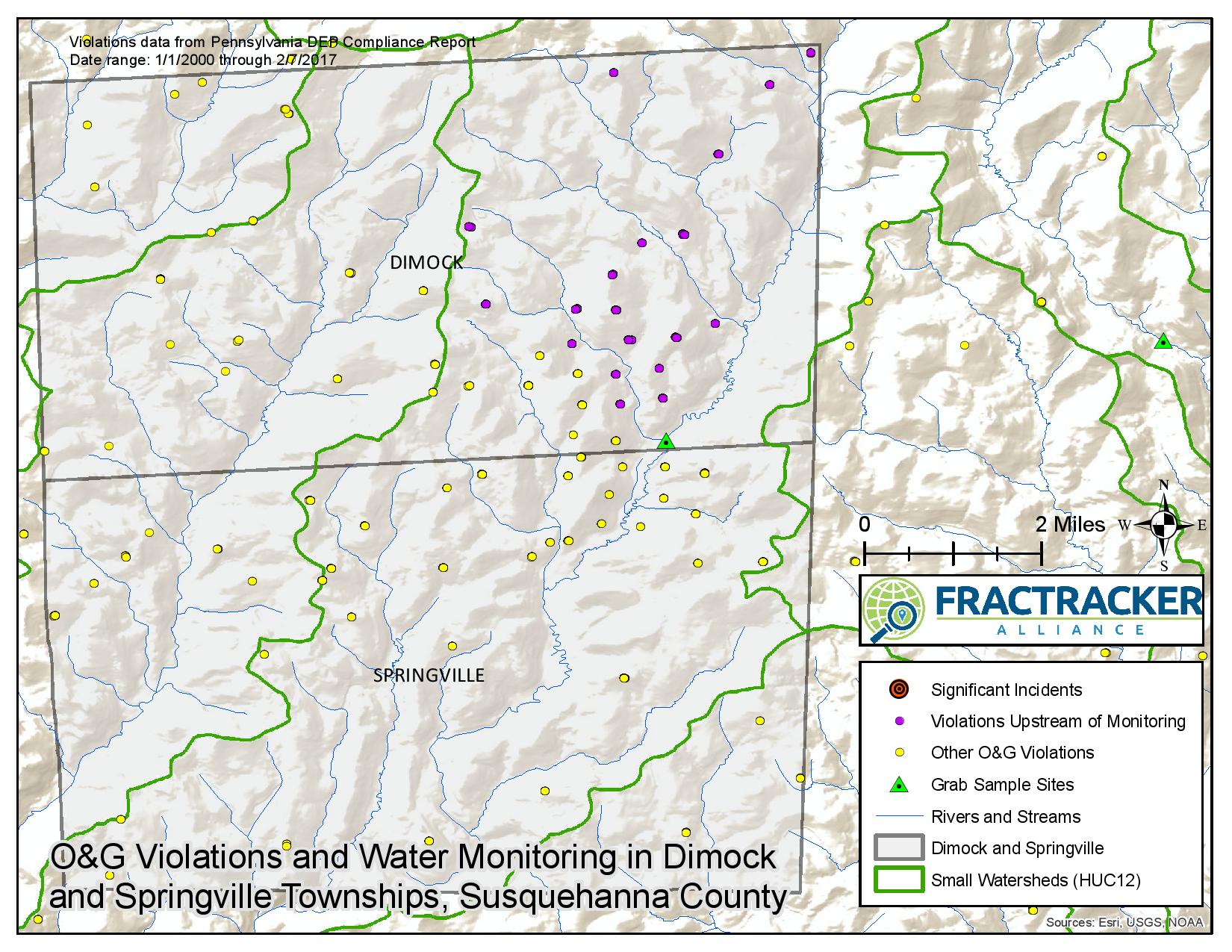
O&G violations and water monitoring near Dimock, PA. Note that multiple violations can occur at the same location. Click to expand map.

The highest concentration of oil and gas violations in the Susquehanna Basin is located in the townships of Dimock and Springville, in Susquehanna County, PA, with a total of 591 incidents reported on the compliance report. This makes the region the highest concentration of O&G violations in the entire state. Many of these violations are related to the systemic failure of well integrity, resulting in the contamination of numerous groundwater supplies. In terms of how these might affect surface water, 443 of the violations are in areas that drain into the Thomas Creek-Meshoppen Creek subwatershed by the southern edge of Springville Township, while most of the rest of the violations drain into the parallel West Branch of Meshoppen Creek.

The USGS operates a monthly monitoring location in the middle of the cluster of violations, at the confluence of Burdick and Meshoppen creeks, just north of the Dimock’s southern border. While this location might seem ideal at first, only 180 of the 443 violations in the subwatershed are upstream of the grab sample site. There is another water monitoring location that captures all of these violations in the Meshoppen subwatershed, but it is more than 15 miles downstream. (link to EJ article about Dimock)

Leroy Township

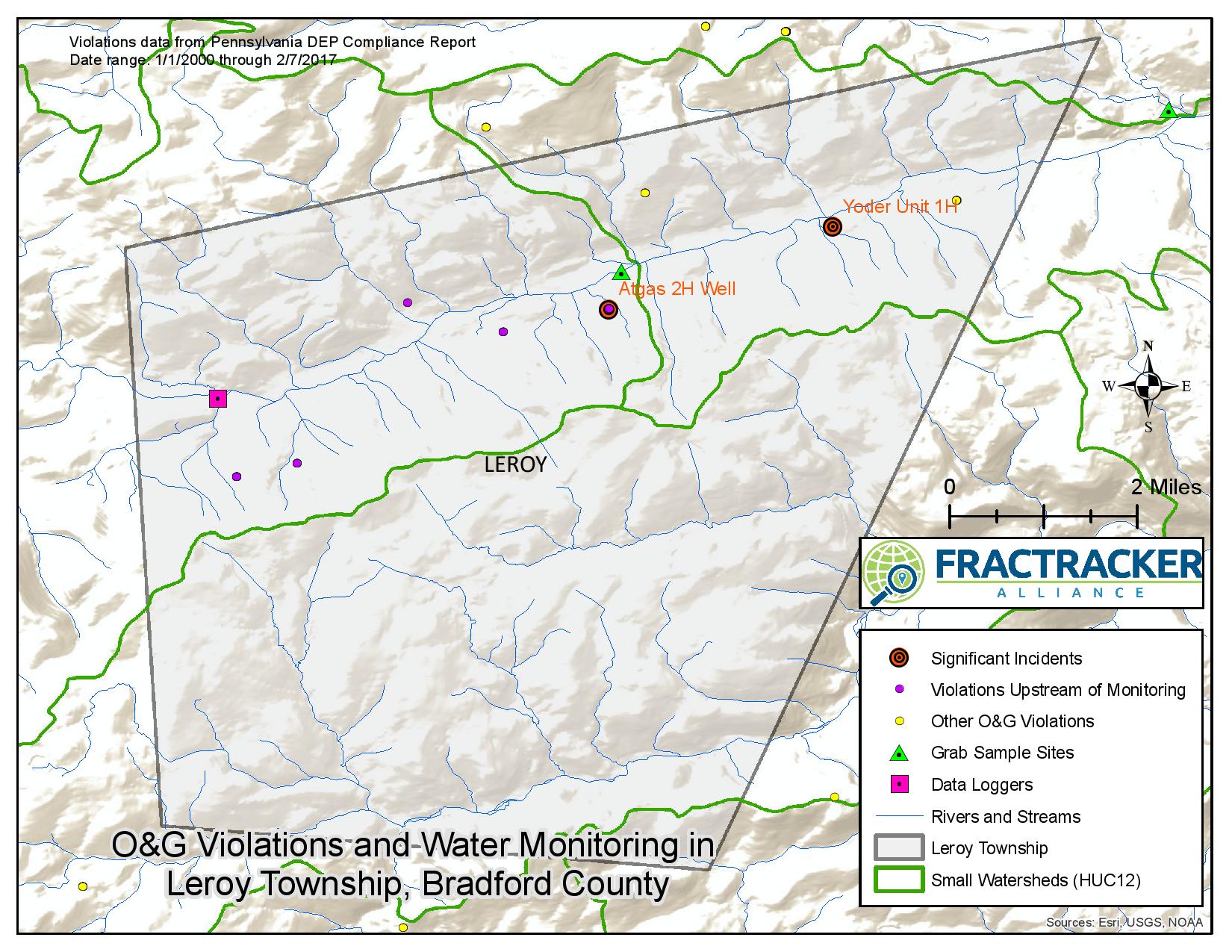
Map of O&G Violations and monitoring near Leroy Township, PA

O&G Violations and monitoring near Leroy Township, PA. Click to expand map.

Compared to the huge amount of oil and gas violations throughout the Dimock area, Leroy Township in Bradford County looks relatively quiet. It also appears to be well covered by monitoring locations, including a data logger site near the western edge of the township, a centrally located monthly monitoring location, as well as another monthly grab sample site upstream on Towanda Creek, just beyond the eastern boundary in Franklin Township.

And yet, this area was hit hard in the early part of the decade by two significant spills. On April 19, 2011, Chesapeake Appalachia lost control of the Atlas 2H well, with thousands of gallons of flowback fluid spilling onto the countryside and into the nearby Towanda Creek.

A little over a year later on July 4, 2012, a second major spill in the township saw 4,700 gallons of hydrochloric acid hit the ground. According to the DEP compliance report, this did not make it into the waterways, despite the gas well being located only about 550 feet from Towanda Creek, and less than 300 feet from another unnamed tributary.

Both incidents were within a reasonable distance of downstream monitoring locations. However, as these are grab sample sites that collect data once per month, they can only offer a limited insight into how Towanda Creek and its tributaries were impacted by these notable O&G related spills.

Bell Township

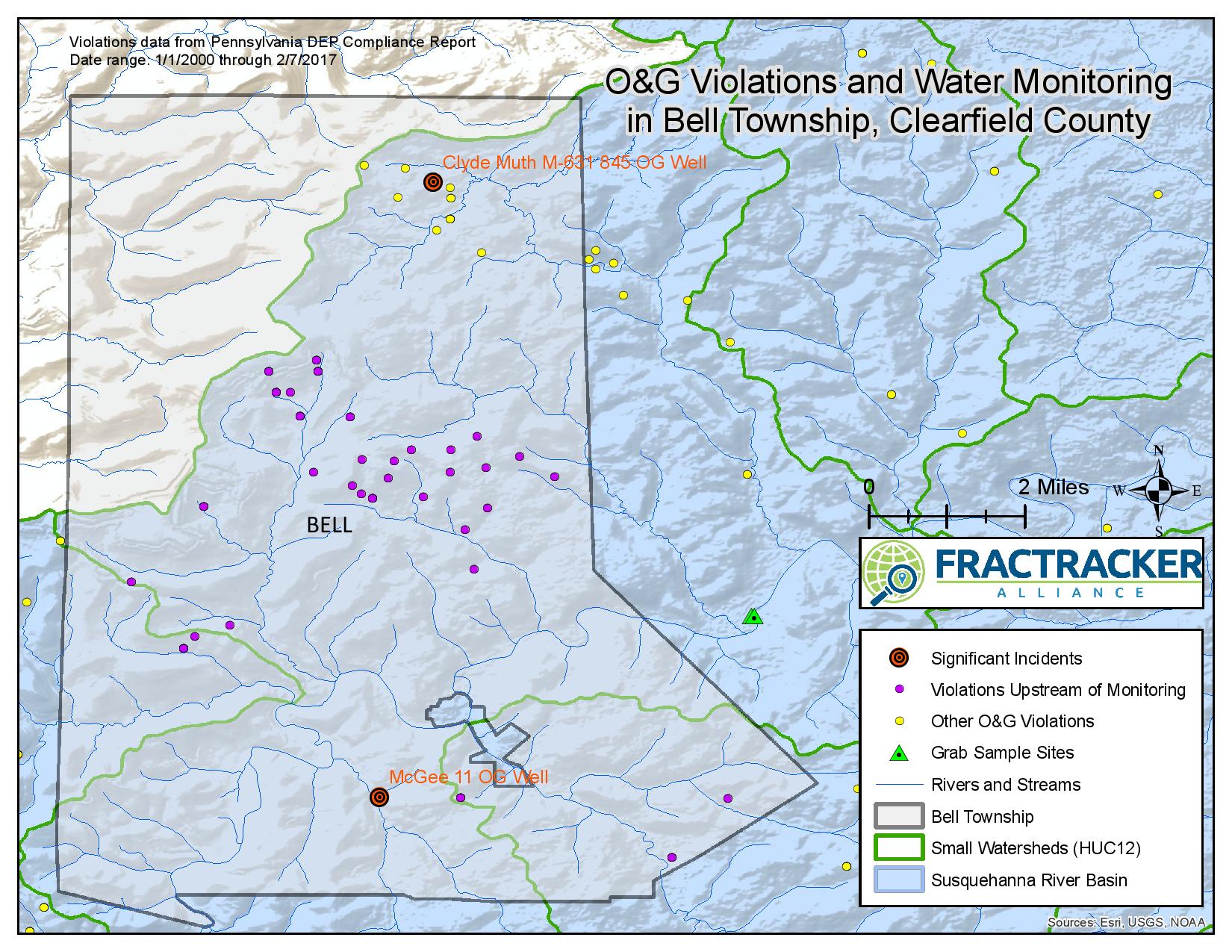
Map of O&G violations and monitoring near Bell Township, PA. Susquehanna River Basin project

O&G violations and monitoring near Bell Township, PA. Click to expand map.

Bell Township is a small community in Clearfield County along the banks of the West Branch Susquehanna River. The northwestern portion of the township ultimately drains to the Ohio River, but all of the violations in Bell Township are within the Susquehanna River Basin.

Two significant incidents occurred in the township in 2016. On February 18, 2016, Alliance Petroleum Corp lost control of the McGee 11 OG Well, located less than 250 feet from Deer Run. According to the oil and gas compliance report, control of the well was regained five days later, after releasing unspecified quantities of gas, produced fluid, and crude oil. On December 5th of the same year, Exco Resources was cited for allowing 30 barrels (1,260 gallons) of produced fluid to spill at the Clyde Muth M-631 Wellpad in Bell Township.

A United States Geological Survey monthly monitoring location along the West Branch Susquehanna in nearby Greenwood Township is upstream, and could capture the effects of spills throughout much of Bell Township. However, the incident at the Clyde Muth well pad occurred in the Curry Run subwatershed, which meets up with the West Branch Susquehanna downstream of the monitoring location, so any pollution events in that area will not be reflected by monitoring efforts.

Conclusions

In the case of Dimock and Springville townships, we see how official water monitoring efforts capture only a fraction of the notorious cluster of wells that have resulted in hundreds of violations over the past decade. There could scarcely be a better candidate for systematic observation, and yet only a single grab sample site covers the immediate vicinity. Leroy Township does not have the same quantity of impacts as Dimock, but it did see one the worst blowouts in the recent history of O&G operations in Pennsylvania. The area is relatively well covered by grab samples sites, but due to the monthly sampling schedule, these locations would still be unlikely to capture significant changes in water quality. In Bell Township, much of the area is upstream of a monthly grab sample site, but the nearest downstream monitoring location to a major spill of produced fluid that occurred here is more than 17 miles away from the incident as the crow flies.

It should be noted that there are a number of industries and activities that contribute to water pollution in Pennsylvania, and as a result, the monitoring efforts are not specifically designed to capture oil and gas impacts. However, the compliance record shows heavy impacts from oil and gas wells in the basin, particularly from modern unconventional wells.

While the network of government-operated manual monitoring locations and data logger sites are fairly extensive in Susquehanna River Basin, these efforts are not sufficient to capture the full extent of oil and gas impacts in the region. Finding evidence of a small to medium sized spill at a site with monthly testing is unlikely, as contaminated water doesn’t stay in place in a dynamic river system. Data loggers also have a limited capacity, but are a useful tool for identifying substantial changes in water chemistry, and could therefore be employed to identify the presence of substantial spills. As such, it might be beneficial for additional data loggers to be distributed throughout the basin, particularly in areas that are heavily affected by the oil and gas industry. Furthermore, given resource gaps and staff cuts within agencies tasked with protecting the river basin, agencies should strongly consider utilizing networks of volunteers to augment their limited monitoring networks.

Project Info

Read more about the Susquehanna River Basin Impacts Project

By Matt Kelso, Manager of Data and Technology, FracTracker Alliance

Put on your earth shoes - call to action by Brook Lenker

Put on Your Earth Shoes

The biggest challenge humanity has ever faced.

That’s one way to describe climate change. It proceeds ahead of schedule, threatening to wreak havoc on the world we know. No longer merely flirting with disaster, we’re tangled in a frenetic dance to save ourselves. Our friends at Years of Living Dangerously have vividly captured the scale of what’s at stake.
Meanwhile, a laundry list of deplorable measures by President Trump ignores or outright dismantles America’s capacity to respond. Federal investment in clean energy is forsaken. Retro economics reigns replete with dystopian impacts on people and the planet. It could be 1950 all over again. Then, we were blinded by the future – fooled that oil and ingenuity would win the day. Today we are sobered by it. Only wholesale change can get us to tomorrow.

The technologies and bright ideas are ready for broader deployment. They’re propelled by information, action, and unbridled hope. Hope feeds exponentially on the hope of others. The organism grows more powerful and adept through colonial enrichment.

Saturday’s Climate March, the People’s Climate Movement, is the feast of a lifetime, a chance to nurture our souls and make a statement for the generations. By bike, rail, bus or carpool, head to Washington, DC or a satellite March site on April 29th. Put on your earth shoes, walk in solidarity, and make the deniers shake in their sole-less shoes.

And don’t for a second think this will be the last word. When you’re choking Mother Earth, it’s a fight to the finish. Cooler heads prevail.

By Brook Lenker, Executive Director, FracTracker Alliance

Gas-Fired Power Plant Buildout in PA

Wanted: More Places to Burn Natural Gas

By Alison Grass, Senior Researcher at Food & Water Watch

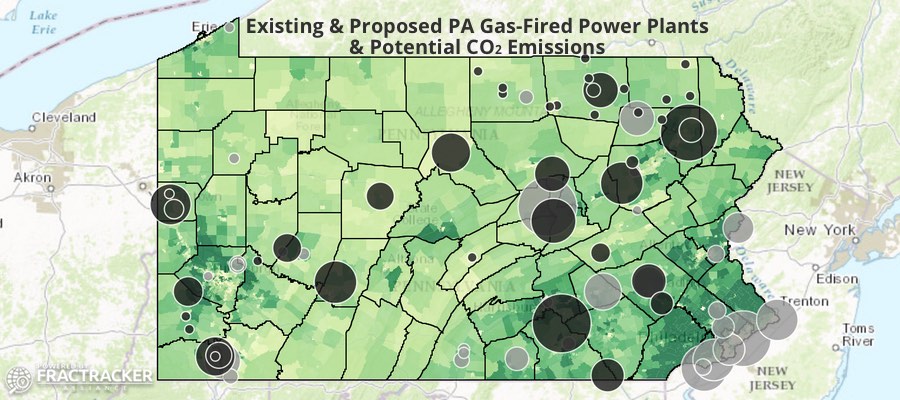
Over the past decade, the natural gas industry has experienced a renaissance that has been a boon to energy company profits. But it has altered the quality of life for the rural communities where most new gas wells have been drilled. Now, fracking is fueling a gas-fired power plant boom in Pennsylvania, with 47 new facilities. Most have already been approved, with a handful in commercial operation (see map below).

New research by Pennsylvanians Against Fracking shows, in vivid detail, the scale of this buildout, and the impacts it will have on Pennsylvania communities.

Current & Potential PA Gas-Fired Power Plants & their Emissions

View Map Fullscreen

Approximately half of the new gas power plants are located in northeastern region of Pennsylvania, a part of the state already overburdened by the lingering environmental maladies of coal mining and the more recent dangers associated with fracking. These rural communities may see increased drilling, fracking and pipeline construction to support the power plants — and the siting could be strategic. In a StateImpact Pennsylvania article about the first Marcellus shale gas power plant, for example, a company representative admitted that the location was chosen specifically due to its convenient access to shale gas. “This plant was sited precisely where it is because of its access to the abundant, high-quality natural gas that’s found a mile to two miles beneath our feet.”

Drilling Trends

The first modern Marcellus well was drilled in Pennsylvania by Range Resources in 2003, and commercial production began in 2005. Although fracking expanded rapidly in several areas across the country, Pennsylvania has been ground zero of the fracking boom, with just over 10,000 shale gas wells drilled between 2005 and 2016. Since then, however, there has been a rapid downturn in new wells drilled. After the early and dramatic increase in drilling – from 9 shale wells in 2005 to 1,957 shale wells in 2011 – the number dropped to 504 in 2016.

According to Natural Gas Intelligence, natural gas from the Appalachian Basin “…hit a roadblock in 2016, as pipeline projects struggled to move forward and a storage glut slowed the region’s previously rapid production growth.” Thus, it appears that in order to maintain fracking’s profitability, the gas industry is relying on new gas-fired power plants to alleviate the storage glut, while potentially increasing demand for shale gas (which could propagate more drilling and fracking).

Gas-Fired Power Plant Siting

The siting of these power plants also enables companies to use Pennsylvanian fracked gas to generate power for larger regional markets. This is because northeastern Pennsylvania is close to dense populations, including New York City. In Luzerne County, for instance, the new Caithness Moxie Freedom Generating Station gas-fired power plant will supply electricity to not just Pennsylvania residents, but also to New Jersey and New York State. And in the more central region of the state in Snyder County, the Panda Hummel Station will send “much of its power to the New York City market.”

Siting gas-fired power plants in the northeast may also increase drilling and fracking in the region, where gas is predominantly “dry”  and less profitable than the “wet” gas found in southwest PA. This trend is largely due to a resurgence in North American petrochemical markets and increased ethane exports that rely on wet gas. (Dry natural gas contains primarily methane and smaller amounts of other hydrocarbons, while wet natural gas has higher concentrations of natural gas liquids. Natural gas liquids — predominantly ethane but also propane, butane, isobutane and pentanes — are the raw materials for manufacturing petrochemicals.)

Well Integrity and Other Risks

However, increased drilling and fracking mean more pollution for the Marcellus shale region of Pennsylvania, where shale gas wells have proven to be more prone to well construction “impairments” and well integrity problems, compared to conventional wells. This risk is especially true in the northeastern part of the state, where over nine percent of shale gas wells have indications of compromised well integrity.

Overall, fracking causes many public health and environmental problems. Methane, fracking fluids, and wastewater can pollute water supplies and imperil the livelihoods of farmers, who rely on clean water. Increased truck traffic and drilling emissions reduce air quality, and methane leaks contribute to global warming. Meanwhile, the proliferation of natural gas derricks and associated infrastructure destroys pristine landscapes (and related tourism and recreation industries).

The last thing that Pennsylvanians need is another way for the oil and gas industry to capitalize on shale at the expense of residents’ health and well-being.

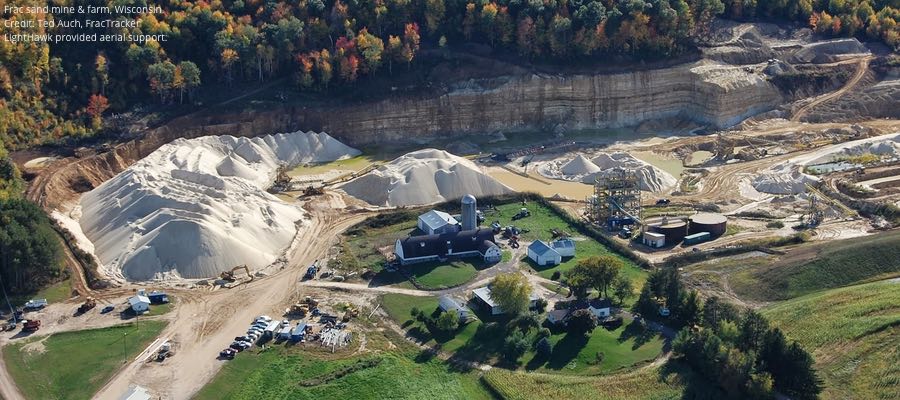
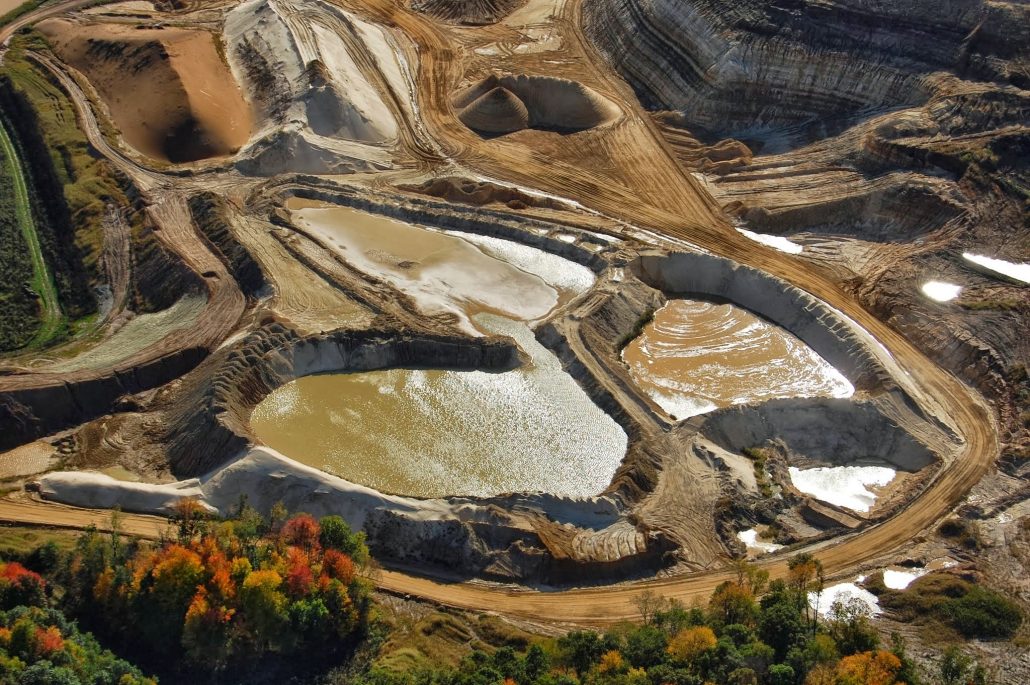
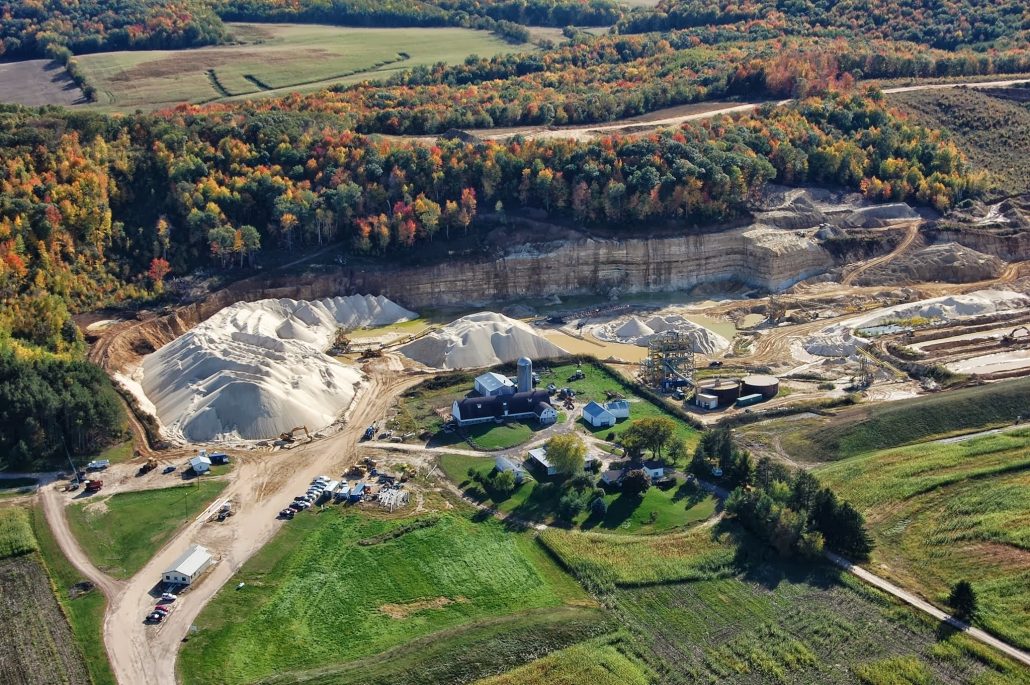
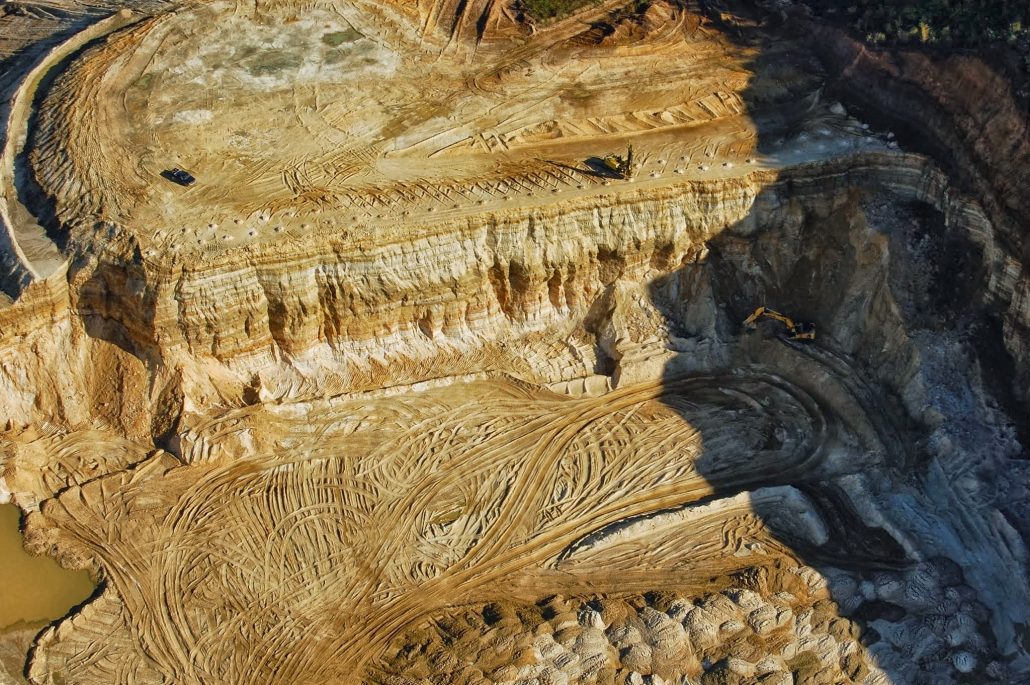
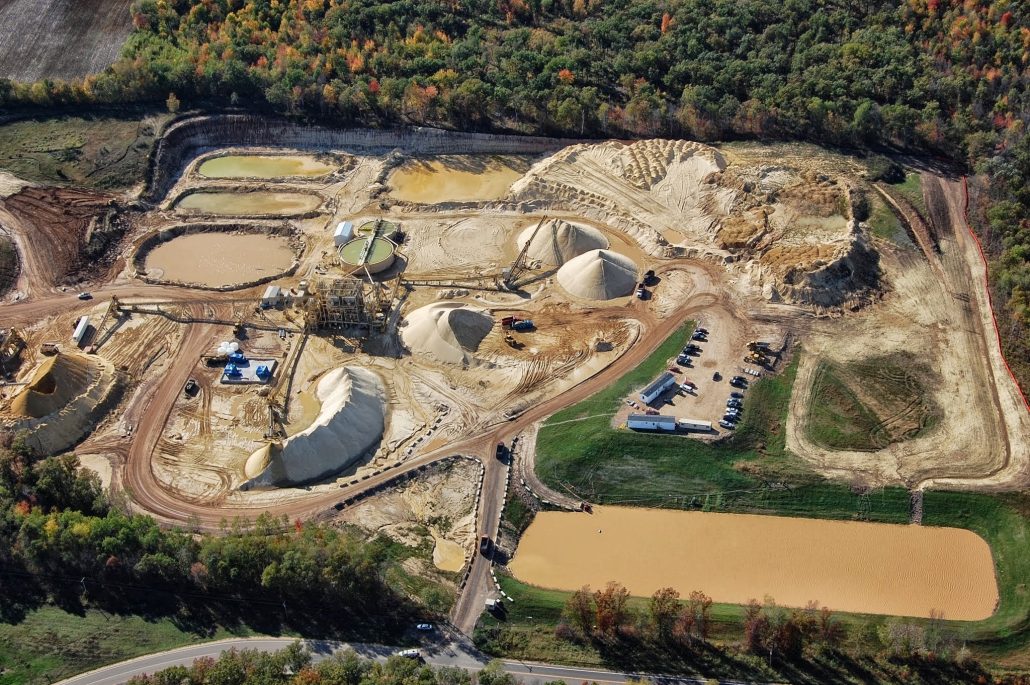
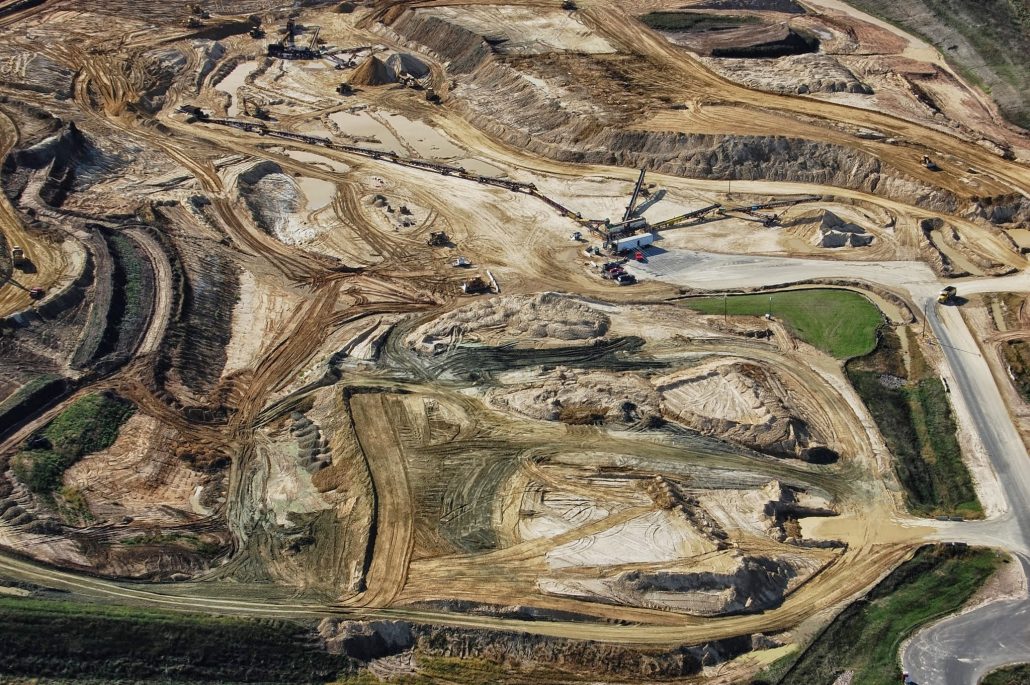
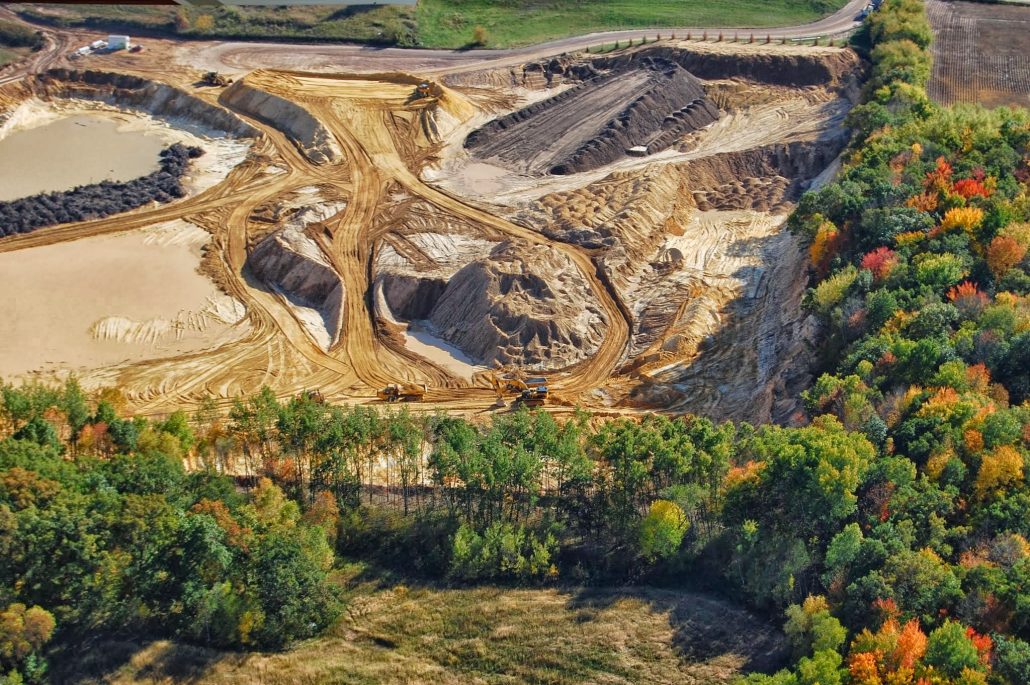
Frac sand mining from the sky in Wisconsin

Fracking in Dairy Country

A dairy farmer in Wisconsin reflects upon a new industry in town: frac sand mining, how it is perceived, and where the industry is headed.

By Paul Jereczek
Jereczek Homestead Dairy, Dodge, Wisconsin

In 4th grade, every Wisconsin student learns about their state. Topics pertaining to Wisconsin’s economy, geography, and history along with ethnicity and traditions are introduced and explored. State facts and anecdotes are discussed and naturally memorized. The one that stood out to me the most was how Wisconsin became known as the “Badger State.”

The origin of the badger nickname is from mining. The 4th grade story I remember was that miners were too busy to build houses so they moved into abandoned mineshafts and/or dug their own burrows. These men became known as “badgers.” The 4th grade version of myself thought that was real impressive. I pictured strong, hard working men fiercely toiling away in the earth like mythical creatures, helping make Wisconsin what it is today.

It made for a great story.

Back to Reality

The reality and documentation of the times suggests something different. Most miners lived in cabins or other structures above ground. There most certainly were a few outliers on the fringe of mining society who burrowed their own holes or lived in abandoned underground mines, but the adult version of myself has a hard time imagining that the term used to describe such men – badgers – was used as a compliment.

Either way, the result is the same. Word spread and eventually Wisconsin became known as the Badger State. The state may be known worldwide for its cheese and agriculture, but there was mining in Wisconsin long before the first dairy cow. While the state was earning its nickname, mining was a prominent reason for the early success of the region.

Dairy Farming in WI

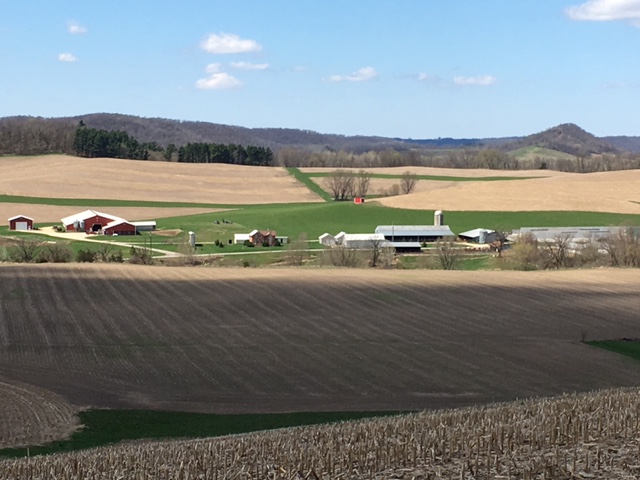
The 700 acre Jereczek Homestead Dairy in Dodge Township, Trempealeau County, Wisconsin first established in 1873 and now being operated by the the 6th generation of Jereczeks.

The 700 acre Jereczek Homestead Dairy in Dodge Township, Trempealeau County, Wisconsin first established in 1873 and now being operated by the 6th generation of Jereczeks.

Our farm is in Trempealeau County, Wisconsin – a driftless area – meaning the land was not covered by glaciers during the last ice age. The terrain is hilly and uneven, with tree-topped bluffs and hills overlooking valleys. The valleys, ranging from deep and narrow to wide and shallow, bump and flow into each other. Over the years, our farm has received its fair share of breaker rock, crushed rock, and gravel from the prevalent rock quarries. Sandstone deposits are huge and close to the surface. As a kid, there was a ledge in the cow pasture, where I hunted through chunks of sandstone for fossils.

As with everything else in the world, dairy farming continues to change. Most barns sit derelict and hold only memories of cows as they fade into the landscape. Small farms that clung to the valley walls have been sold to bigger operations, sit vacant, or have been built over. A lot of once prime farmland has been converted into houses with ridiculously large lawns. In 1990, Wisconsin had over 34,000 licensed dairy herds. Now there are just over 9,000.

We are the last dairy farm in our valley. Parallel to the trend, my childhood herd of 40 cows has turned to 200, which is about an average-sized herd. Margins are tighter than ever. Consistent help is hard to find. Milk prices are a terrible rollercoaster ride – it seems to take forever for them to go up, but when they fall, it’s fast and sickening. In the dairy business world, survival is a measure of success.

Frac Sand Mining Perceptions

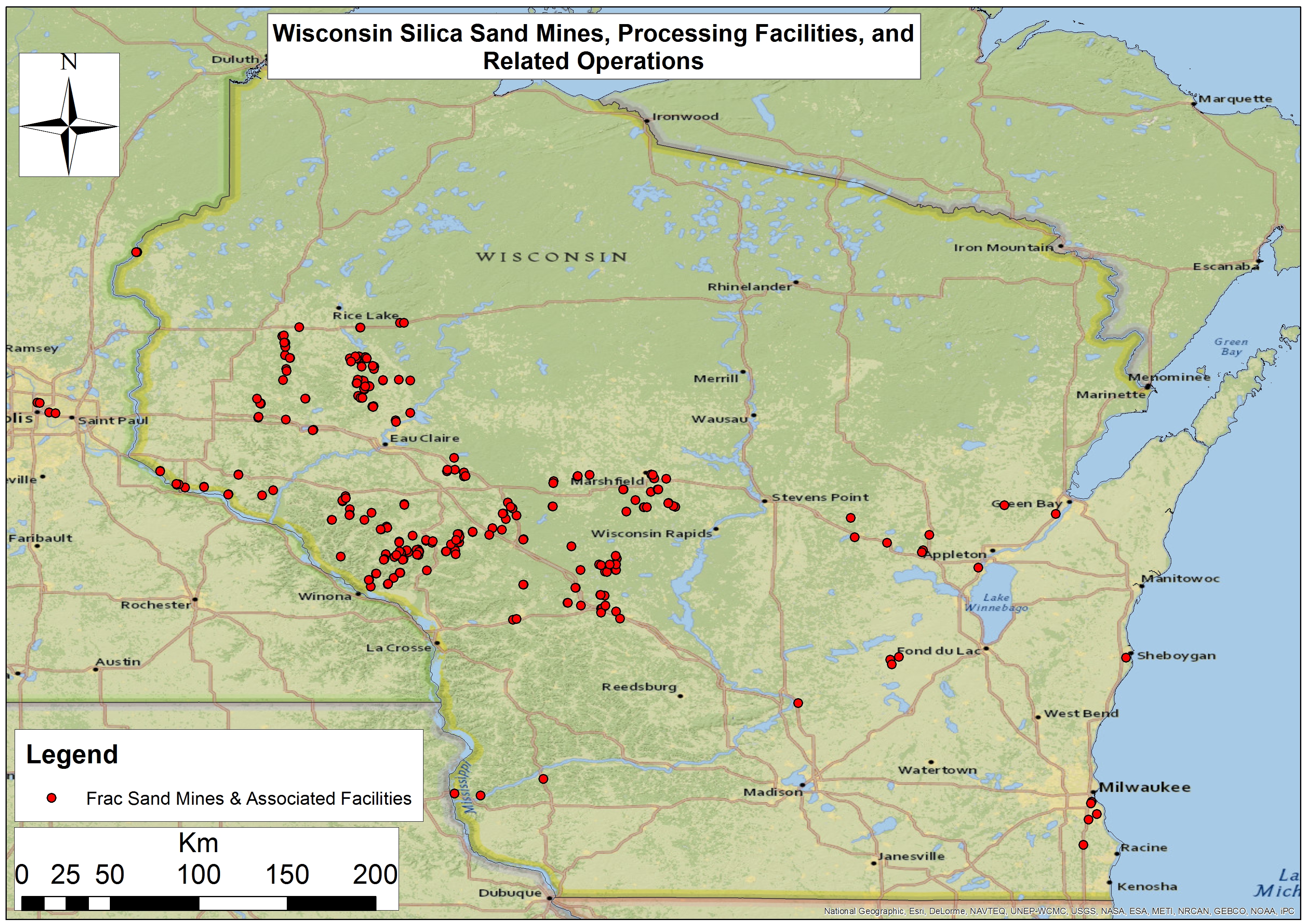
Wisconsin Frac Sand Mines, Processing Facilities, and Related Operations

Wisconsin Frac Sand Mines, Processing Facilities, and Related Operations

The term frac sand is relatively new to me. I always assumed sand was sand and had given the word sand a negative connotation. Sand’s large particles don’t hold moisture or nutrients well, so sandy fields tend to perform poorly. But what if that sand has value for something else? What if there is a market for this sand much like a market for corn or soybeans?

Farmers tend to be resourceful. Every asset is scrutinized and employed to the fullest. Every acre is pushed. But what about what may lie beneath the soil? Sand mining has been going on in Wisconsin for well over a hundred years, but the recent surge in fracking has created an enormous demand for frac sand – and there are many people and companies set to take advantage of the boom.

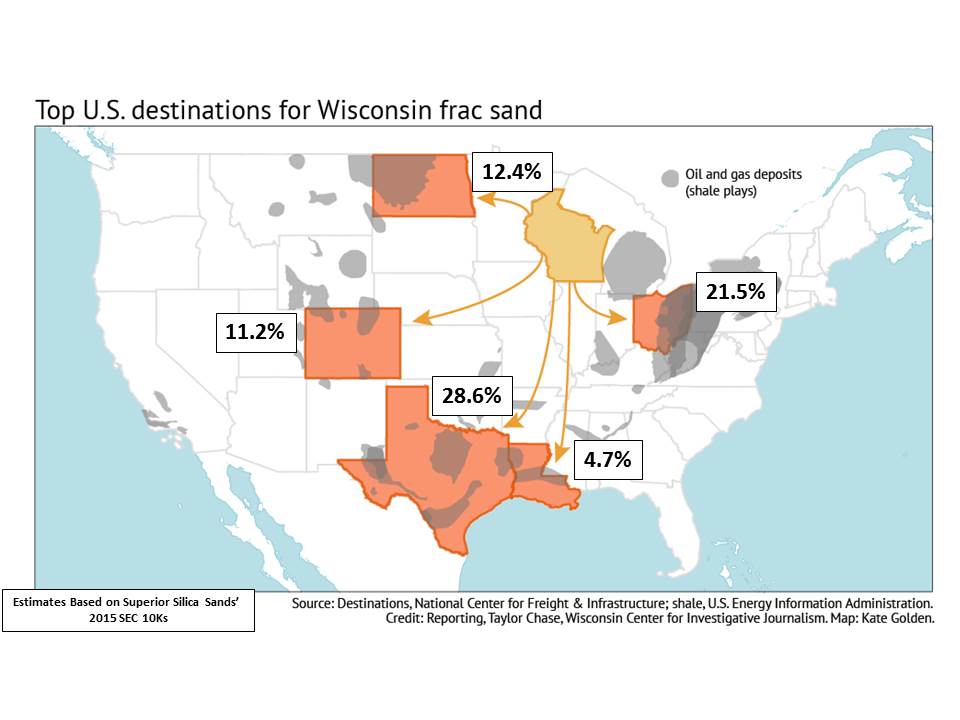
Top U.S. Destinations for Wisconsin's Frac Sands Estimated from Superior Silica Sands' 2015 SEC 10Ks

Top U.S. Destinations for Wisconsin’s Frac Sands Estimated from Superior Silica Sands’ 2015 SEC 10Ks

Trempealeau County has zoning and planning ordinances to protect its industries and way of life. These aggressive ordinances allow more citizen input than other county’s ordinances. Public hearings are required, and orderly processes are enforced. With the economics involved with frac sand mining, citizens got educated very quickly. Much like abortion or immigration, frac sand has become a polarizing subject. Strong emotions built up by personal ideologies have pushed this topic to a boiling point. The for and against groups trade barbs without much convincing being done on either side. Frac sand mining editorials are common in local papers with those against appearing to be the most vocal and emotional.

New Player, New Approach

One such editorial detailed the approach a sand company took to obtaining a property. A local farmer had a sand mine company representative approach him with an oversized check written out to him for a sizable amount of money for his land. It was as though the sand rep was taking a page out of the Publishers Clearing House’s playbook. The farmer turned down the check. The sand rep left and returned a short time later with a significantly larger offer. The farmer was equally surprised and insulted. He found out later a few neighbors turned down similar proposals.

So what’s the deal with such a brazen approach? Intentions from this company may well have been good. Many people believed the sand mines were a win-win opportunity. Companies were selling hype – there was no way for anything but success. Extreme optimism. Sand mines were going to increase the tax base, fund schools and roads. Concerns were minimized, and residents were told what they wanted to hear. Such talk produced plenty of skeptics.

Environmental Costs of Frac Sand Mining

With both dairying and fracking, there is an environmental cost. Whether you milk 10, 100, or 1,000 cows – there are environmental pressures. With sand mining, the environmental effects are well documented. It is important, if not just practical, to measure these with the fiscal rewards. And where does this money go and who benefits the most? But, most importantly, who must deal with the consequences?

The risks of sand mines can be mitigated if proper regulations are taken seriously. With the extra scrutiny, a magnifying glass was placed over the sand mines, and what was found only proved the skeptics right. Trapping or pooling storm water seemed to be a learning process for sand mine companies; reported in 2012, every operating sand mine in Trempealeau County had storm water runoff violations. In 2014, over half of the sand mines in all of Wisconsin had violated environmental regulations imposed by the Department of Natural Resources. Add to this loss of surrounding property values, damage to roads, and a damper on quality of life – and you’ll create a substantial amount of public backlash.

Regulations Have Their Place

As was mentioned earlier, mining Is not new to the state. There are many multi-generational mining companies who have the experience, tradition, and financial network to abide by current standards and environmental regulations. Nobody likes to be told what to do. No industry is out there begging for more regulations. Often, the rules are in place to protect – not hinder – those that use environmentally safe and humane practices. Dairying has its own unique regulations – some are good, some not so much, and some downright stupid. Yet, overall it can be argued that these regulations protect the industry and the environment.

One heated topic in the dairy industry involves the sale of raw (unpasteurized) milk. It is illegal for any dairy in the state to sell raw milk. I have been drinking raw milk straight from the bulk tank since before I can remember. Our whole family did. Now, I still drink it and so do all my children from the age of a year and a half on up. None of us has ever had trouble with it. However, I am in complete agreement that the sale of raw milk should be illegal. All it takes is for one child to get terribly sick (which most certainly would happen) and for that kid lying on a hospital bed being blasted by every news network in the nation. These images create strong negative emotions that reverberate throughout society. The potential costs far outweigh the economic benefits from such a sale. Sure, some people are upset, but the greater good is maintained by taking away a risky practice.

The same principle works for mining. Rules and regulations get negative press and reaction, but who stands to lose the most from environmental catastrophes related to mining – the company in business 90-some years or the startup mining ventures trying to capture lightning in a bottle? Some companies have built years of trust and compatibility and support for their local communities. These are businesses that will remain after the sand rush has fizzled.

Booms and Busts, Ups and Downs

The frac sand industry is going through the same economic cycle as the dairy industry. The sand companies are getting better at what they do and increase their production capacity. Like milk, sand is a commodity. As the price of sand decreased, production increased to maintain profits. The dairy industry does the same thing, by expanding and improving efficiency to get more milk to catch those dollars slipping away. However, when the market is flush with milk or bombed with sand, they’re just doing more damage to themselves. This is a simplified take on the industry, as there are many global factors that come into play, but the overall pattern tends to remain. As the dairy industry can attest, this fluctuating cycle is not sustainable for all producers.

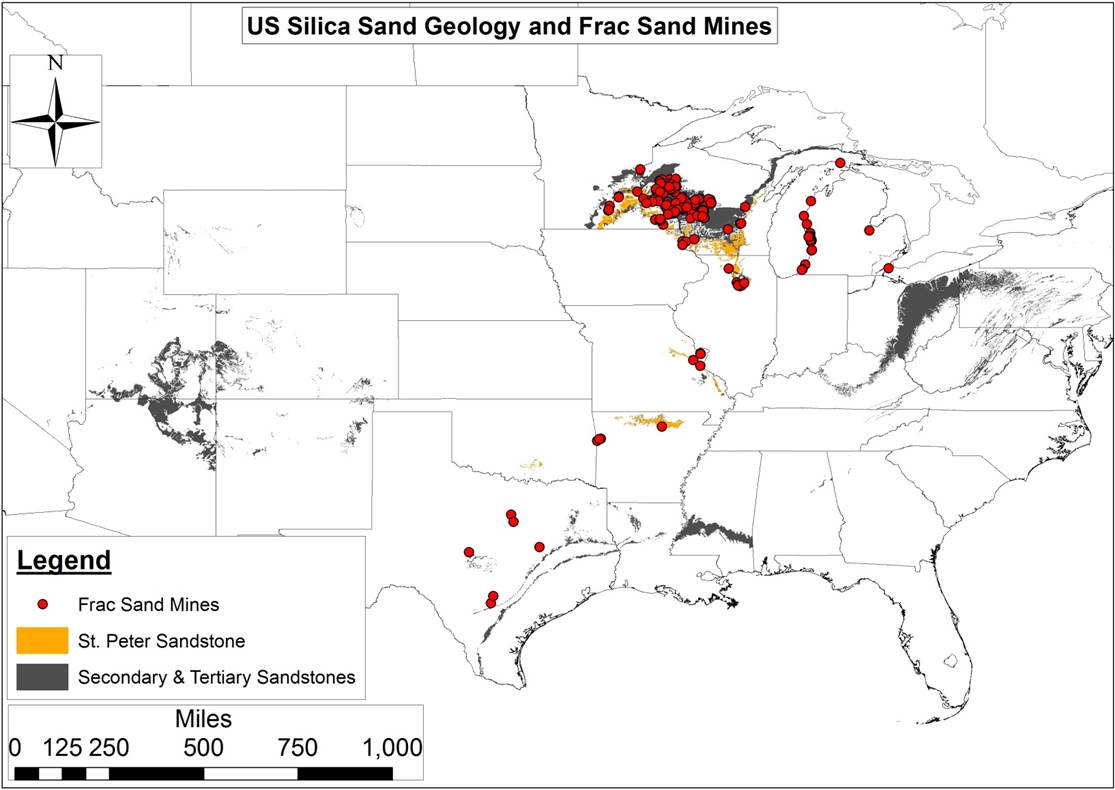
Primary and Secondary US Silica Sand Geologies and Existing Frac Sand Mines

Primary and Secondary US Silica Sand Geologies and Existing Frac Sand Mines

Worse yet for the sand industry, this cycle has occurred in hyper speed. At first, just the small mines cut production. Outcompeted by larger operations, production at smaller mines was no longer profitable. Soon, the larger mines cut production due to the weakening demand. Many mines in the permit or early production phases never got started. Unlike the dairy industry, there was no rollercoaster effect because prices have yet to return to prior levels. The bubble, it seems, had popped.

With any kind of new mine developed comes the environmental impacts. Yet, I find the fervent negative reaction to such practices directly related to the end result. Fracking. Fracking isn’t magic. They’re not just mixing water with this sand and forcing oil and gas out of the ground. Harmful chemicals are being added to the mix. Worst yet, the quantity and potency of such chemicals is kept secret, closely guarded from the public. Harmful chemicals are being legally pumped into the ground. All the short-term gains will have long-term consequences. This is where I believe a significant backlash for new mines comes from. The end result. Can you imagine what the public’s perception of dairy farms would be if milk was mixed with chemicals and pumped into the ground?

The Future of Dairy Farming in Wisconsin

The 2016 presidential election has breathed some life into the frac sand industry. The new president promises to cut regulations interfering with business, and thus far has kept those promises. The environment will not be a detriment to his goals. Sand companies are returning with ads in the local papers, looking for qualified applicants and offering great salaries. In contrast, the dairy industry is stuck in a rollercoaster spiral. Milk prices have been too low for far too long. The dairy dispersal continues with some very good cows being sold and very good dairymen and women calling it quits. Naturally, some land will be sold. To what end remains to be seen. But it is a safe bet, the frac sand mining ride has not ended.

PA Oil & Gas Fines feature image

Pennsylvania Oil & Gas Fines Analysis

In March 2017, FracTracker Alliance conducted a review of the available Pennsylvania oil and gas fine data released publicly by the PA Department of Environmental Protection (DEP) to identify trends in industry-related fines over time and by particular operators. In total, the DEP has assessed nearly $36 million in fines to oil and gas extraction and pipeline operators since January 1, 2000. Such fines are associated with over 42,000 violations issued1 by DEP in that time frame, covering 204,000 known oil and gas locations,2 as well as 91,000 miles of pipelines3 within the Commonwealth.

Understanding the Data Structure

The amount of money that the Pennsylvania Department of Environmental Protection (DEP) fines oil and gas (O&G) operations is included in the DEP’s compliance report published on their website. Even though fines data are made available, they are not necessarily straight-forward, and caution must be taken not to over-estimate the total number of assessed fines.

Records of fines are associated with enforcement identification codes on the compliance report. A single fine is often applied to numerous violations, and the full amount of the fine is listed on every record in this subset. Therefore, the total dollar amount of fines assessed to O&G companies appears overstated. For example, if a $400,000 fine were assessed to settle a group of 10 violations, that figure will appear on the report 10 times, for an apparent aggregate of $4,000,000 in fines. To get an accurate representation of fines assessed, we need to isolate fines associated with particular enforcement ID numbers, which are used administratively to resolve the fines.

This process is further complicated by the fact that, on occasion, such enforcement ID numbers are associated with more than one operator. This issue could result from a change in the well’s operator (or a change of the operator’s name), a group of wells in close proximity that are run by different operators, or it might point to an energy extraction company and a midstream company sharing responsibility for an incident. Sometimes, the second operator listed under an enforcement ID is in fact “not assigned.” The result is that we cannot first summarize by operator and then aggregate those subtotals without overstating the total amount of the assessed fines. In all, 62 of the enforcement ID numbers apply to more than one operator, but this figure amounts to less than one percent of the nearly 15,000 distinct enforcement ID numbers issued by DEP.

Conventional & Unconventional Violations & Fines

Oil and gas wells in Pennsylvania are categorized as either conventional or unconventional, with the latter category intended to represent the modern, industrial-scaled operations that are commonly referred to as “fracking wells.” Contrastingly, conventional wells are supposed to be the more traditional O&G wells that have been present in Pennsylvania since 1859. The actual definition of these wells leaves some blurring of this distinction, however, as almost all O&G wells now drilled in Pennsylvania are stimulated with hydraulic fracturing to some degree, and some of the conventional wells are even drilled horizontally – just not into formations that are technically defined as unconventional. For the most part, however, unconventional remains a useful distinction indicating the significant scale of operations.

Table 1. Summary of oil and gas wells, violations, and fines in Pennsylvania

Category Conventional Unconventional (blank) Total
Wells 193,655 10,291 0 203,946
Violations 27,223 6,126 9,026 42,375
Fines $7,000,203 $13,689,032 $21,563,722 $35,949,495*
Fines per Violation 257 2,235 2,389 848
Fines per Well 36 1330  – 176.27
Violations per Well 0.14 0.60  – 0.21
Wells per Violation 7.11 1.68  – 4.81
* The total fine amount issued is not a summary of the three preceding categories, as some of the fines appear in multiple categories

Ninety-five (95)% of the state’s 204,000 O&G wells are classified as conventional, so it should not be surprising to see that this category of wells accounts for a majority of violations issued by the department. However, fines associated with these violations are less frequent, and often less harsh; the $7 million in fines for this category accounts for only 19% of the total assessed penalties. In contrast, the total penalties that have been assessed to unconventional wells in the state are nearly twice that of conventional wells, despite accounting for just 5% of the state’s well inventory

On the 54,412 records on the compliance report, 10,518 (19%) do not indicate whether or not it is an unconventional well. The list of operators includes some well-known conventional and unconventional drilling operators, and hundreds of names of individuals or organizations where O&G drilling is not their primary mode of business (such as municipal authorities and funeral homes). This category also contains violations for midstream operations, such as pipelines and compressor stations. Altogether, 3,795 operators have entries that were not categorized as either conventional or unconventional on the compliance report, and 124 of these operators were issued fines. One additional complication is that some of the violations and fines that fall into this category are cross-referenced in the conventional and unconventional categories, as well.

The resulting impact of these factors is that the blank category obscures the trends for violations and fines in the other two categories. While tempting to reclassify well data in this category as either conventional or unconventional, this would be a tall task due to the sheer number of records involved, and would likely result in a significant amount of errors. Therefore, the FracTracker Alliance has decided to present the data as is, along with an understanding of the complexities involved.

Most Heavily Fined Operators

Despite the numerous caveats listed above, we can get a clear look at the aggregated fines issued to the various O&G operators in the state by constructing our queries carefully. Table 2 shows the top 12 recipients of O&G-related fines assessed by DEP since 2000. Ten of these companies are on the extraction side of the business, and the total number of well permits issued4 to these companies since 2000 are included on the table. By looking at the permits instead of the drilled wells, we discover the operator that was originally associated with the drilling location, whereas the report of drilled wells associates the current operator associated with the site, or most recent operator in the event that the location is plugged and abandoned.

Stonehenge Appalachia and Williams Field Services operate in the midstream sector. Combining the various business name iterations and subsidiaries would be an enormous task, which we did not undertake here, with the exception of those near the top of the list. This includes Vantage Energy Appalachia, which was combined with records from Vantage Energy Appalachia II, and the compliance history of Rice Energy is the sum of three subsidiaries, the drilling company Rice Drilling B, and two pipeline companies, Rice Midstream Holdings and Rice Poseidon Midstream.

Table 2. Top 12 operators that have been assessed oil and gas-related fines by DEP since 2000

Operator Total Fines Conventional Permits Unconventional Permits Violations Fines / Violation Fines / Permit
Range Resources Appalachia LLC $5,717,994 2,104 2,206 819 $6,982 $1,327
Chesapeake Appalachia LLC $3,120,123 18 3,072 754 $4,138 $1,010
Rice Energy* $2,336,552 442 165 $14,161 $5,286
Alpha Shale Res LP $1,681,725 3 62 31 $54,249 $25,873
Stonehenge Appalachia LLC $1,500,000  – 294 $5,102
Cabot Oil & Gas Corp $1,407,275 19 902 726 $1,938 $1,528
CNX Gas Co LLC $1,274,330 1,613 677 387 $3,293 $556
WPX Energy Appalachia LLC $1,232,500 347 159 $7,752 $3,552
Chevron Appalachia LLC $1,077,553 2 604 113 $9,536 $1,778
Vantage Energy Appalachia LLC** $1,059,766 3 300 35 $30,279 $3,498
Williams Field Services Co, LLC $872,404  – 158 $5,522
XTO Energy Inc $739,712 1,962 461 383 $1,931 305
* Fines for Rice Energy here represent the sum of three subsidiaries, the drilling company Rice Drilling B, and two pipeline companies, Rice Midstream Holdings and Rice Poseidon Midstream.

** Fines for Vantage Energy Appalachia were combined with records from Vantage Energy Appalachia II.

Predictably, many of the entries on this list are among the most active drillers in the state, including Range Resources and Chesapeake Appalachia. However, Alpha Shale Resources has the dubious distinction of leading the pack with the highest amount of fines per violation, as well as the highest amount of fines per permit. Fitting in with the theme, the story here is complicated by the fact that Alpha had a joint venture with Rice, before selling them their stake in a group of wells and midstream operations that were fined $3.5 million by DEP.5 On this compliance report, the fines from this incident are split between the two companies.

Fines Issued Over Time

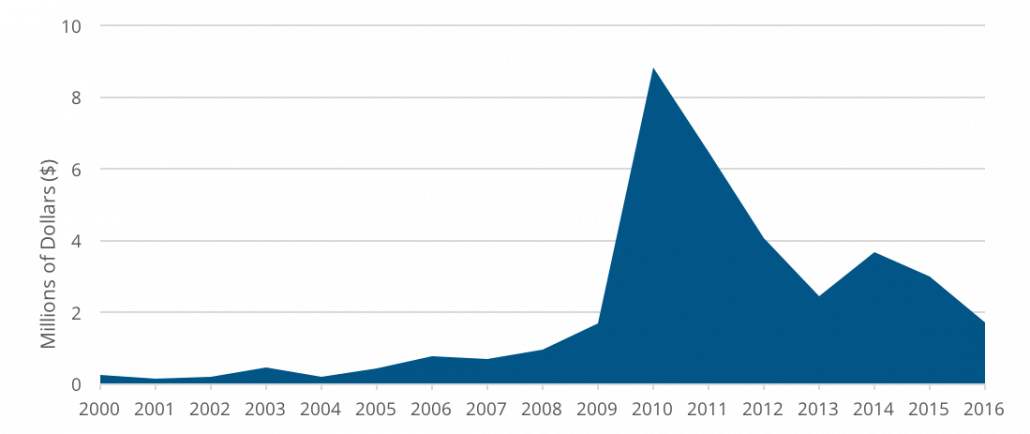
It is worth taking a look at how O&G related fines have varied over time, as well (Figure 1, shown in millions of dollars). Numerous factors could contribute to changes in trends, such as the number of available DEP inspectors,6 the amount of attention being paid to the industry in the media, differing compliance strategies employed by various political administrations, or changes in practices in the field, which could in turn be impacted by significant fines issued in the past.

PA Oil & Gas Fines Analysis chart

Figure 1. O&G Fines Issued by DEP, 2000 through 2016

The notable spike in fines issued from 2010 to 2012 corresponds with the peak of unconventional drilling in the state – 4,908 of these industrial scaled wells were drilled during those three years, amounting to 48% of all unconventional wells in PA. In contrast, only 504 unconventional wells were drilled in 2016, or around a quarter of the total for 2011. In this context, the reduction in fines since the early part of the decade seems reasonable.

The association with the number of unconventional wells falls apart a bit in the years 2013 to 2014, however. These two years saw an average of 1,293 unconventional wells drilled, but the fines issued amounted to only 35% of the 2011 total.

Considerable strides have been made in the public accessibility of oil and gas data available from the PA DEP since FracTracker started requesting and reviewing this information in 2009. Still, there are many gaps in the datasets, such as geolocation details for 10 of the 20 largest fines issued by the department. FracTracker hopes external analyses like this one will help to close such gaps and identify operators who, too, need to improve their compliance records.

References & Footnotes

  1. Pennsylvania Department of Environmental Protection (PA DEP) Oil and Gas (O&G) Compliance Database.
  2. PA DEP O&G Spud Database. Note: Starting date 1/1/1800 captures unknown spud (wells drilled) dates.
  3. Pipeline Hazardous Materials and Safety Administration (PHMSA) Pipeline Data Mart Reports.
  4. PA DEP Permits Issued Database.
  5. State Impact PA. (2016). Rice Energy fined $3.5 million for wellsite and pipeline violations.
  6. PennEnvironment Research & Policy Center. (2017). Fracking Failures 2017, Oil and Gas Industry Environmental Violations in Pennsylvania.

Oil & Gas Fines White Paper

This analysis is also available for download in a printer-friendly, white paper format:

Download White Paper (PDF)

2017 PA Oil & Gas Fines Analysis by FracTracker Alliance


Cover Photo by Pete Stern, Loyalsock, PA

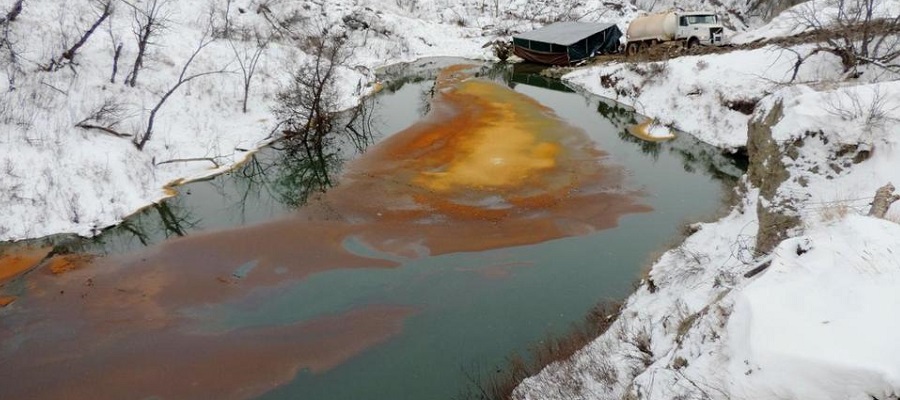
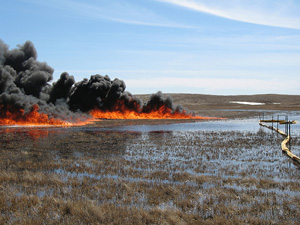
SCOTT STOCKDILL/NORTH DAKOTA DEPARTMENT OF HEALTH VIA AP - for oil spills in North Dakota piece

Oil Spills in North Dakota: What does DAPL mean for North Dakota’s future?

By Kate van Munster, Data & GIS Intern, and
Kyle Ferrar, Western Program Coordinator, FracTracker Alliance

Pipelines are hailed as the “safest” way to transport crude oil and other refinery products, but federal and state data show that pipeline incidents are common and present major environmental and human health hazards. In light of current events that have green-lighted multiple new pipeline projects, including several that had been previously denied because of the environmental risk they pose, FracTracker Alliance is continuing to focus on pipeline issues.

In this article we look at the record of oil spills, particularly those resulting from pipeline incidents that have occurred in North Dakota, in order to determine the risk presented by the soon-to-be completed Dakota Access Pipeline.

Standing Rock & the DAPL Protest

To give readers a little history on this pipeline, demonstrators in North Dakota, as well as across the country, have been protesting a section of the Dakota Access Pipeline (DAPL) near the Standing Rock Sioux Tribe’s lands since April 2016. The tribe’s momentum has shifted the focus from protests at the build site to legal battles and a march on Washington DC. The pipeline section they are protesting has at this point been largely finished, and is slated to begin pumping oil by April 2017. This final section of pipe crosses under Lake Oahe, a large reservoir created on the Missouri River, just 1.5 miles north of the Standing Rock Sioux Tribal Lands. The tribe has condemned the pipeline because it cuts through sacred land and threatens their environmental and economic well-being by putting their only source for drinking water in jeopardy.

Pipelines

… supposedly safest form of transporting fossil fuels, but …

Pipeline proponents claim that pipelines are the safest method of transporting oil over long distances, whereas transporting oil with trucks has a higher accident and spill rate, and transporting with trains presents a major explosive hazards.

However, what makes one form of land transport safer than the others is dependent on which factor is being taken into account. When considering the costs of human death and property destruction, pipelines are indeed the safest form of land transportation. However, for the amount of oil spilled, pipelines are second-worst, beaten only by trucks. Now, when it comes to environmental impact, pipelines are the worst.

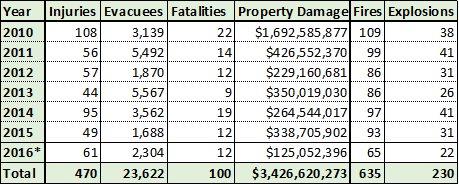
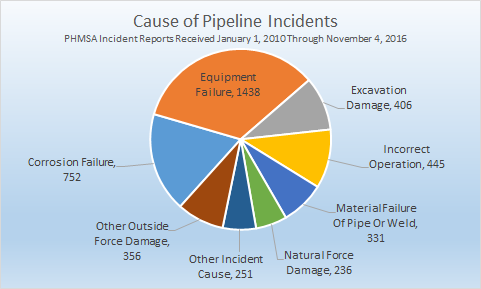
What is not debatable is the fact that pipelines are dangerous, regardless of factor. Between 2010 and October 2016 there was an average of 1.7 pipeline incidents per day across the U.S. according to data from the Pipeline and Hazardous Materials Safety Administration (PHMSA). These incidents have resulted in 100 reported fatalities, 470 injuries, and over $3.4 billion in property damage. More than half of these incidents were caused by equipment failure and corrosion (See Figures 1 and 2).

incidentcounts

Figure 1. Impacts of pipeline incidents in the US. Data collected from PHMSA on November 4th, 2016 (data through September 2016). Original Analysis

pipeline incidents causes

Figure 2. Cause of pipeline incidents for all reports received from January 1, 2010 through November 4, 2016. Original Analysis

Recent Spills in North Dakota

To dig into the risks posed in North Dakota more specifically, let’s take a look at some spill data in the state.

Map 1. Locations of Spills in North Dakota, with volume represented by size of markers


View map fullscreen | How FracTracker maps work

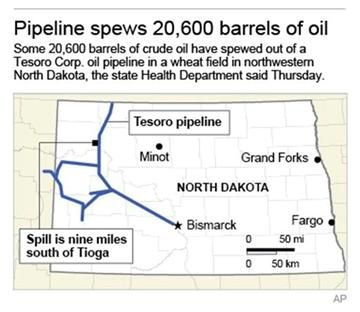
In North Dakota alone there have been 774 oil spill incidents between 2010 and September 2016, spilling an average of 5,131 gallons of oil per incident. The largest spill in North Dakota in recent history, and one of the largest onshore oil spills in the U.S., took place in September 2013. Over 865,000 gallons of crude oil spilled into a wheat field and contaminated about 13 acres. The spill was discovered several days later by the farmer who owns the field, and was not detected by remote monitors. The state claims that no water sources were contaminated and no wildlife were hurt. However, over three years of constant work later, only about one third of the spill has been recovered.

This spill in 2013 may never be fully cleaned up. Cleanup attempts have even included burning away the oil where the spill contaminated wetlands.

More recently, a pipeline spilled 176,000 gallons of crude oil into a North Dakota stream about 150 miles away from the DAPL protest camps. Electronic monitoring equipment, which is part of a pipeline’s safety precautions, did not detect the leak. Luckily, a landowner discovered the leak on December 5, 2016 before it got worse, and it was quickly contained. However, the spill migrated nearly 6 miles down the Ash Coulee Creek and fouled a number of private and U.S. Forest lands. It has also been difficult to clean up due to snow and sub-zero temperatures.

Even if a spill isn’t as large, it can still have a major effect. In July 2016, 66,000 gallons of heavy oil, mixed with some natural gas, spilled into the North Saskatchewan River in Canada. North Battleford and the city of Prince Albert had to shut off their drinking water intake from the river and were forced to get water from alternate sources. In September, 2 months later, the affected communities were finally able to draw water from the river again.

Toxicology of Oil

Hydrocarbons and other hazardous chemicals

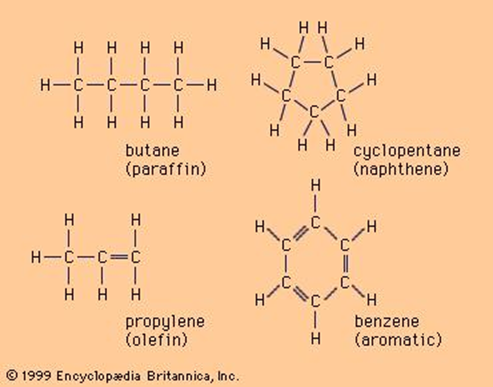
Crude oil is a mixture of various hydrocarbons. Hydrocarbons are compounds that are made primarily of carbon and hydrogen. The most common forms of hydrocarbons in crude oil are paraffins. Crude oil also contains naphthenes and aromatics such as benzene, and many other less common molecules. Crude oil can also contain naturally occurring radioactive materials and trace metals. Many of these compounds are toxic and carcinogenic.

hydrocarbons

Figure 3. Four common hydrocarbon molecules containing hydrogen (H) and carbon (C). Image from Britannica

Crude oil spills can contaminate surface and groundwater, air, and soil. When a spill is fresh, volatile organic compounds (VOCs), such as benzene, quickly evaporate into the air. Other components of crude oil, such as polycyclic aromatic hydrocarbons (PAHs) can remain in the environment for years and leach into water.

Plants, animals, and people can sustain serious negative physical and biochemical effects when they come in contact with oil spills. People can be exposed to crude oil through skin contact, ingestion, or inhalation. Expsure can irritate the eyes, skin, and respiratory system, and could cause “dizziness, rapid heart rate, headaches, confusion, and anemia.” VOCs can be inhaled and are highly toxic and carcinogenic. PAHs can also be carcinogenic and have been shown to damage fish embryos. When animals are exposed to crude oil, it can damage their liver, blood, and other tissue cells. It can also cause infertility and cancer. Crops exposed to crude oil become less nutritious and are contaminated with carcinogens, radioactive materials, and trace metals. Physically, crude oil can completely cover plants and animals, smothering them and making it hard for animals to stay warm, swim, or fly.

An Analysis of Spills in ND

Below we have analyzed available spill data for North Dakota, including the location and quantity of such incidents.

North Dakota saw an average of 111 crude oil spills per year, or a total of 774 spills from 2010 to October 2016. The greatest number of spills occurred in 2014 with a total of 163. But 2013 had the largest spill with 865,200 gallons and also the highest total volume of oil spilled in one year of 1.3 million gallons. (Table 1)

Table 1. Data on all spills from 2010 through October 2016. Data taken from PHMSA and North Dakota.

  2010 2011 2012 2013 2014 2015 Jan-Oct 2016
Number of Spills 55 80 77 126 163 117 156
Total Volume (gallons) 332,443 467,544 424,168 1,316,910 642,521 615,695 171,888
Ave. Volume/Spill (gallons) 6,044 5,844 5,509 10,452 3,942 5,262 1,102
Largest Spill (gallons) 158,928 106,050 58,758 865,200 33,600 105,000 64,863

The total volume of oil spilled from 2010 to October 2016 was nearly 4 million gallons, about 2.4 million of which was not contained. Most spills took place at wellheads, but the largest spills occurred along pipelines. (Table 2)

Table 2. Spills by Source. Data taken from PHMSA and North Dakota.

  Wellhead Vehicle Accident Storage Pipeline Equipment Uncontained All Spills
Number of Spills 694 1 12 54 13 364 774
Total Volume (gallons) 2,603,652 84 17,010 1,281,798 68,623 2,394,591 3,971,169
Ave. Volume/Spill (gallons) 3,752 84 1,418 23,737 5,279 6,579 5,131
Largest Spill (gallons) 106,050 84 10,416 865,200 64,863 865,200 865,200

A. Sensitive Areas Impacted

Spills that were not contained could potentially affect sensitive lands and waterways in North Dakota. Sensitive areas include Native American Reservations, waterways, drinking water aquifers, parks and wildlife habitat, and cities. Uncontained spill areas overlapped, and potentially contaminated, 5,875 square miles of land and water, and 408 miles of streams.

Drinking Water Aquifers – 2,482.3 total square miles:

  • Non-Community Aquifer – 0.3 square miles
  • Community Aquifer – 36 square miles of hydrologically connected aquifer
  • Surficial Aquifer – 2,446 square miles of hydrologically connected aquifer

A large area of potential drinking water (surficial aquifers) are at risk of contamination. Of the aquifers that are in use, aquifers for community use have larger areas that are potentially contaminated than those for non-community use.

Native American Tribal Reservation

  • Fort Berthold, an area of 1,569 square miles

Cities – 67 total square miles

  • Berthold
  • Dickinson
  • Flaxton
  • Harwood
  • Minot
  • Petersburg
  • Spring Brook
  • Stanley
  • West Fargo

Map 2. Areas where Oil Spills Present Public Health Threats


View map fullscreen | How FracTracker maps work

B. Waterways Where Spills Have Occurred

  • Floodplains – 73 square miles of interconnected floodplains
  • Streams – 408 miles of interconnected streams
  • Of the 364 oil spills that have occurred since 2010, 229 (63%) were within 1/4 mile of a waterway
  • Of the 61 Uncontained Brine Spills that have occurred since 2001, 38 (63%) were within 1/4 mile of a waterway.

If a spill occurs in a floodplain during or before a flood and is uncontained, the flood waters could disperse the oil over a much larger area. Similarly, contaminated streams can carry oil into larger rivers and lakes. Explore Map 3 for more detail.

Map 3. Oil Spills in North Dakota Waterways


View map fullscreen | How FracTracker maps work

C. Parks & Wildlife Habitat Impacts

1,684 total square miles

Habitat affected

  • National Grasslands – on 1,010 square miles of interconnected areas
  • United States Wildlife Refuges – 84 square miles of interconnected areas
  • North Dakota Wildlife Management Areas – 24 square miles of interconnected areas
  • Critical Habitat for Endangered Species – 566 square miles of interconnected areas

The endangered species most affected by spills in North Dakota is the Piping Plover. Explore Map 4 for more detail.

Map 4. Wildlife Areas Impacted by Oil Spills


View map fullscreen | How FracTracker maps work

Methods

Using ArcGIS software, uncontained spill locations were overlaid on spatial datasets of floodplains, stream beds, groundwater regions, sensitive habitats, and other sensitive regions.

The average extent (distance) spilled oil traveled from uncontained spill sites was calculated to 400 meters. This distance was used as a buffer to approximate contact of waterways, floodplains, drinking water resources, habitat, etc. with uncontained oil spills.

Oil Spills in North Dakota Analysis References:


Cover Photo: The site of a December 2016 pipeline spill in North Dakota. Credit: Scott Stockdill/North Dakota Department of Health via AP

For the Environmental Justice Listening Tour

PA DEP Environmental Justice Listening Tour

A Guide to Current EJ Rules and Potential Changes

by Kirk Jalbert, Manager of Community-Based Research & Engagement, FracTracker Alliance
and Veronica Coptis, Executive Director, Center for Coalfield Justice

The Pennsylvania Department of Environmental Protection (DEP) will be hosting a nine-stop “listening tour” to hear residents’ perspectives on environmental justice (EJ). These sessions begin in the western part of the state on April 12th and 13th. The complete list of dates and locations of these meetings can be found here. The DEP will also be accepting written comments, which can be either mailed or emailed to DEP-OEJ@pa.gov.

The EJ listening tour follows on the heels of events in May 2016, when environmental advocacy groups questioned the well pad siting practices of oil and gas drilling company Range Resources, causing the DEP to announce it would revisit its EJ policies. Such changes would include reassessing how EJ zones are designated and what kinds of development triggers additional scrutiny by the DEP’s Office of Environmental Justice. We wrote about this story, and detailed how present EJ rules fail to account for oil and gas development in June 2016.

The following guide is meant to provide helpful information to residents in preparing for the listening tour. We first offer a summary of PA’s present EJ policies, followed by a commentary on what gaps we believe exist in those policies, and conclude with some reflections on EJ policies in other U.S. states and what we might learn from them in reassessing our own state’s EJ laws.

Listening Sessions Format

Each environmental justice listening tour will include opening remarks from Acting Secretary McDonnell, followed by a brief presentation from the Office of Environmental Justice, and then will open to receive testimony from the public. Verbal testimony is limited to 3 minutes for each witness. Organizations are asked to designate one witness to present testimony on their behalf. Verbal comments will be recorded by a court stenographer, and transcripts will be made available to the public at a later date.

The DEP Office of Environmental Justice has offered a set of eight questions to guide comments in the listening tour sessions. They are as follows:

  1. What environmental justice concerns are most pressing in your community?
  2. Do you feel that the current definition of an environmental justice community (20% poverty and/or 30% minority) properly represents the needs of your community and the Commonwealth at large?
  3. Do you feel the DEP is engaged with marginalized communities to ensure that they have a voice in the decision making process? How can the DEP be more engaged with these communities?
  4. What tools have you used to find out information on DEP permitting/enforcement actions?
  5. What ways can the DEP be more effective at sharing information with the public?
  6. How can the DEP be more effective at receiving public input?
  7. What resource(s) is your community lacking that the DEP can provide that would assist in efforts to ensure environmental equity?
  8. What additional steps can be taken by the Department to effectively reach out to these vulnerable communities to ensure that their concerns are taken into consideration?

Summary of Existing EJ Policies

According to the U.S. Environmental Protection Agency, environmental justice is “the fair treatment and meaningful involvement of all people regardless of race, color, national origin, or income with respect to the development, implementation, and enforcement of environmental laws, regulations, and policies.” This same definition is used by the DEP.

In 2004, the DEP codified this EJ definition in the Environmental Justice Public Participation Policy. EJ designations are defined by the DEP as any census tract where 20% or more of the population lives in poverty and/or 30% or more of the population identifies as a minority. Designations are based on the U.S. Census Bureau and by the federal poverty guidelines.

Below is a map of current EJ designated census tracts in PA that also shows the counties where listening tour sessions will be held. When zoomed in to regional scale, EJ areas can be clicked to see their current poverty and minority percentages. The locations of oil and gas wells and permits are also visible at the regional scale.

Map of current EJ areas (based on 2015 census data) shown in teal, with listening tour counties outlined in red

View map fullscreenHow FracTracker maps work

Of note in the 2004 policy are the kinds of permits that trigger a potential EJ review – specifically: industrial wastewater facilities, air permits for new major source of hazardous air pollution, waste permits for landfills and incinerators, coal mining permits and coal refuse facilities, and/or concentrated animal feeding operations. The policy also allows for review of “opt-in permits” the DEP believes warrant special consideration, but we have found no evidence to suggest that this option has been historically used.

When a project triggers EJ review, the DEP “strongly encourages” the applicant meets with community stakeholders prior to submitting their permit, with the idea that additional public outreach makes project details more apparent. The applicant is also encouraged to produce “plain language” information sheets, online and in print form, regarding the proposed activity.

Issues with Existing PA EJ Policies

A complete list of what may occur when a project triggers EJ review can be found here. The following table is a breakdown of where we see deficiencies in PA EJ policies that need to be addressed:

Existing Policy Issue Possible Solutions
EJ Definition
EJ areas defined by 20% poverty/30% minority indicators.EJ ensures meaningful involvement of all people regardless of race, color, national origin, or income.
Many communities are just outside poverty/minority thresholds, or are spread across multiple census tracts experiencing concentrated industrial activities.

Disproportionate exist due to other factors besides poverty and race.

DEP should go beyond the census tracts, as well as account for other factors such as the “working poor”, homeownership rates, assisted school lunches rate, disability and elderly populations, and language barriers.

Reviews should factor in “cumulative impacts” of more developing relative to existing industrial burdens.

Regardless of “age and gender” should be added to EJ protection language.

Trigger Permits
Limited kinds of “trigger” permit types are listed in the Public Participation Policy as eligible for EJ review.
Permits outside of these categories are also degrading the communities and being targeted to environmental justice communities. Oil and gas extractions, pipelines, and other infrastructure are not currently considered trigger permits but are impacting many environmental justice areas. DEP should oil and gas permits to the trigger list. All permits, even of seemingly lesser severity, should trigger review to see if they contribute to cumulative impacts to already burdened community.
Permit Notifications
DEP program staff must notify the Office of EJ when a permit “trigger” EJ review and report the details of the proposed activity.
Currently not all DEP program staff are alerting the EJ office of trigger permits, and many are not education on EJ policies. More training and funding needs to be allocated to make sure that trigger permits are not overlooked or mishandled.
Public Education
Requiring the distribution of “plain language” information sheets regarding the proposed activity and permit conditions. Public notices are to be placed in widely read publications in print and online.
Does not always happen or the information produced is inadequately written or poorly distributed. Public notices are put in the legal sections of paper, often initial meetings are not even publicly noticed if the company is the only one organizing the meeting. Enforce this requirement and include real infographics as much as possible. Consult with local community groups to determine what communication tools work best.

Publish additional notice outside of newspaper in widely read publications, flyers in local businesses, community centers, and church bulletins. Require applicants to do direct mailing.

Updated the “eFacts notification system to include more information and send email notices to interested parties when updates in non-technical language.

Applicant Public Meetings
DEP “strongly suggests” applicants meet with all stakeholders, before applying for permit, as well as throughout the permitting process.
Not all stakeholders are being brought into conversations and often DEP allows the applicant to decide who these people should be. Applicants are often not transparent about their plans. Meetings do not occur at all stages of the process. It should not be up to the applicant to control the process and do outreach. DEP should ensure that all interested parties are engaged in the permitting process.

Meeting should be held during the entire permitting process. This should be required, not “strongly suggested.” A meeting should occur after a permit is administratively complete and again after technical review is done but before a decision is made. Many changes happened during technical review and this gives communities the opportunity to weigh in on the final project and understand its timeline.

DEP should always participate in these meetings and make themselves available to answer questions from the community.

DEP Public Meetings
DEP holds an informal public conference within 30 days of receiving the application to inform residents of EJ area designation and the nature of project.
These meetings frequently are not able to answer people questions and residents are told to wait for additional information. The format of these meetings do not allow for dialogue, which prevents the community from learning from each other. The DEP needs to hold the informal public conferences in discussion formats so residents can ask questions together and receive answers in person, not just take notes and tell residents they will receive a written response. DEP staff responsible for reviewing the proposal must be present at the meetings to answer questions.
Public Comments
DEP accepts comments from EJ communities.
These comments are often not taken into consideration, or given very little weight during the permitting process. Instead, the comments are merely noted for the record. Create a formal process for integrating comments from community experts who are often best able to provide information about how a project will impact their community.
DEP Availability
DEP will maintain presence and be availability to residents throughout permitting process.
DEP staff are available during public meetings but are otherwise unavailable until there is a permit decision.

Inadequate continuing public oversight of how EJ policies are administered across the state.

Actively provide updates on the permitting process and changes to the application. The burden should not be on an EJ community to stay up date on the permit, but should be the DEP and applicant’s responsibility.

DEP staff responsible for reviewing the proposal must be available to the community to answer questions. DEP should also prioritize filling its regional Environmental Advocate staff positions currently vacant in many of its districts.

Convert the DEP Citizen Environmental Justice Advisory Board (EJAB) to a full committee, with the power to oversee EJ permits under review and influence state EJ policies. Hold quarterly EJAB meetings in different DEP regions on a rotating basis.

Reflections on other states’ EJ policies

States that use poverty and race indicators differently:

  • Connecticut: Uses income below 200% of the federal poverty level (“working poor”).
  • Illinois: indicates low-income and/or minority population as being “greater than twice the statewide average.”
  • Massachusetts: Defines by census “block group” rather than census tract, which can identify pocket EJ areas that might be lost in larger census tracts.
  • Texas: For income indicator, uses census block group and income below 200% of the federal poverty level.

States that go beyond poverty and race indicators:

  • California: Considers existing disproportionate environmental burden. Also, demographics include “low levels of homeownership, high rent burden…or low levels of educational attainment.”
  • Connecticut: includes a “distressed community” indicator, defined as whether it is eligible for HUD grants, or experienced layoffs/tax loss due to a major plant closing.
  • Georgia: includes language for elderly and disabled populations “The Americans with Disabilities Act (ADA) encourages the involvement of people with disabilities in the development and improvement of transportation and paratransit plans and services.”
  • Massachusetts: Uses linguistic isolation, defined as “25% or more of households having no one over the age of 14 who speaks English only, or very well.”
  • New Jersey: Communities can file a petition to be recognized as a vulnerable.

Example of better public participation affordances:

  • New Jersey: When a community is designated EJ, a task force is formed to develop a unique “Action Plan” after consultation with residents, local, and county government, that will address environmental, social and economic factors affecting their health or environment. This task force monitors Action Plan implementation, and advises development projects to reduce impacts.

Conclusions

Environmental justice rules came into existence in order to deal with the burdens of large polluting facilities like landfills, incinerators, and coal mines. Race and poverty measures are, without question, two very important indicators that have provided for the fair treatment of people of all races, income, and cultures in these instances. However, if we are to properly assess how residents are disproportionately impacted across a range of environmental burdens in the state, other indicators of marginalization should be included. The Center for Coalfield Justice suggests a few in a report titled Community Indicators of Environmental Justice: A Baseline Report Focusing on Greene and Washington Counties, Pennsylvania.

Fair treatment in EJ communities should also mean offering mechanisms for meaningful input that allow residents to shape the ultimate direction of proposed projects, as well. Finally, current EJ policies are very limited in only addressing future projects, whereas issues such as how disadvantaged communities, struggling with legacy problems such water, air, and soil pollution, are left to other agencies to deal with.

We encourage residents of Pennsylvania to attend an environmental justice listening tour session to share their perspectives, and how the DEP can better fulfill its mandates to protect vulnerable communities.


Photo: Clairton Coke Works, by Mark Dixon, Blue Lens, LLC.

Dead of Spring - by Sherry Knowlton

Interview with Sherry Knowlton, Author of Dead of Spring

The Shale Gas & Oil Health Registry: A Collective Step to Track the Impacts of Fracking

“It’s all about facts. Documented facts…”

… asserted a county commissioner to a recent gathering of concerned residents in Hannibal, Ohio. His comment came at the end of over an hour of deeply moving narratives from residents, sharing disturbing changes in their health after a disastrous well pad fire in their community and other ongoing shale development in the area. One family, whose home was blanketed by the heavy black smoke from the fire, which burned for five days in 2014, told of respiratory problems, hair loss, newly-diagnosed thyroid issues, and a premature birth. Another family reported worsening of existing cardiac conditions, sleep disturbances, and considerable stress due to continued encroachment of pipelines and compression stations.

lisa-photo-1

Figure 1: Residents of the Fort Berthold Indian Reservation in North Dakota live amid numerous oil rigs. Photo credit: Shalefield Stories, Vol. 2.

Throughout the country, personal stories like these offer a meaningful window into the experiences of people living at the frontlines of shale gas and oil development – often called ‘fracking.’ But aggregated into a formal health registry, these experiences can also form the kind of documentation needed to inform public health research and legislators who, like the county commissioner in Ohio, insist on documented evidence before issuing health-protective policies.

A health registry is “a dataset of uniform information about individuals collected in a systematic and comprehensive way, in order to serve a predetermined medical or public health purpose.”

The Southwest PA Environmental Health Project (EHP), in partnership with the Genetic Alliance, has just introduced the first such national system. In this online system, participants share – and control access to – their own data, making it unique among many other registries. This exciting new forum invites those living, working, or going to school near shale gas and oil development, like the families described above, to share their exposures and document their health symptoms. Perhaps most importantly, it ensures that personal stories are collected, respected, and treated as the important data that they are.

Figure 2: These quick and informative videos introduce EHP’s Shale Gas & Oil Health Registry and how it works. They feature the voices of those who helped create it, including public health professionals, the director of EHP, and a community member.

Why a registry?

Public health research affirms that there are significant health risks for those living, working, or attending school near shale gas and oil development. Research points to links between proximity to fracking and worsened asthma and other respiratory impacts and skin conditions; fracking’s noise pollution and stress-related conditions, like cardiovascular problems; and low birth weight babies among mothers living near numerous hydraulically fractured wells.

Physicians, Scientists, and Engineers for Healthy Energy (PSE) conducted a thorough examination of the extensive and growing body of shale gas and oil-related research and found that between 2009 and 2015, 84% of the studies focused on health have findings that “indicate public health hazards, elevated risks, or adverse health outcomes.”

US map of populations near active drilling activity

Figure 3: Populations in the U.S. near active drilling. The Shale Gas & Oil Health Registry has a national scope. Click on the image to learn more about how this map was made.

For years, some medical professionals attuned to environmental effects on health have noted correlations between fracking and health symptoms in their patients. But without a clear explanation of causation that links such symptoms to fracking, researchers need more data.

The Pennsylvania Medical Society recommended a registry as a necessary step toward getting a grasp on the public health problem. A health registry collects health data systematically, and may support further epidemiology and toxicology research by putting these patterns in higher contrast.

Laying the Groundwork

The Shale Gas & Oil Health Registry did not emerge in isolation, but rather is one of several ongoing efforts toward gathering the innumerable accounts of health symptoms from shale development regions around the country.

Important grassroots initiatives include the List of the Harmed, started by Jenny Lisak in 2011. The List catalogues over 20,000 stories of human, animal, and environmental impacts. The Natural Gas Exploration & Production Health and Community Impacts Survey, created by The Damascus Citizens for Sustainability (DCS), is an effort to collect health impact information from individuals in shale gas communities and hopefully trigger further review from the Agency for Toxic Substances and Disease Registry (ATSDR). Additionally, there are numerous peer reviewed studies on the topic, but they are often too limited in scope and size to be generalized to communities outside of where the data was originally collected.

Families in Washington Co., Pa who are facing possible issues through the creation of cybergentic gas processing plant in western Pa. A Cibus Imperial compression station sits above a suburban community, people there are fearful of their air quality because of this plant, in Bulger, PA

Figure 4: In Washington County, PA, houses sit just below a compressor station, a type of natural gas facility that can produce air emissions, noise, and light pollution. In the health registry, participants can answer questions about the types of facilities they are exposed to. Photo credit: Karen Kasmauski, iLCP.

Two states have begun their own registry-related efforts. Colorado’s Oil & Gas Health Information and Response Program includes an online self-referral form, a hotline for those with health concerns potentially related to oil and gas, and a health information “clearinghouse.” Their program aims to illuminate “possible health effects related to oil and gas operations,” which the program intends to make available to the public, researchers, and policy-makers (source).

Pennsylvania, where EHP does much of its on-the-ground work, has a history of legislative calls for its own registry, beginning with recommendations issued by Governor Tom Corbett’s Marcellus Shale Advisory Commission in 2011. The Secretary of Health at the time called a registry “the most timely and important initiative” for the Department of Health (DOH). Current Governor Tom Wolf called for a shale gas health registry in his 2014 gubernatorial campaign. He proposed budgeting $100,000 to the PA Department of Health (DOH) for the cause, although health professionals argue that more is needed to implement an effective registry. According to recent conversations with EHP, DOH is in the process of developing a system similar to Colorado’s, in coordination with that state. For the time being, Pennsylvanians seeking assistance from DOH will find a webpage with limited information, directing calls to the state’s Bureau of Epidemiology.

Making the Registry a Reality

There is a clear need for a system to collect individuals’ exposures and health symptoms, with a national scope that matches the country-wide scale of shale development. Yet, the costs of initiating and maintaining a registry, political issues related to industry reporting on the chemicals they use and discharge, and scientific issues such as scant exposure data and limited funding for research, are some of the various obstacles that faced the implementation of a health registry.

From a health perspective, symptoms potentially related to drilling activity may be similar to symptoms from unrelated causes, or may be exacerbations of existing health conditions. Added to this is the complexity of exposure sources, since an individual or family may live, work, or go to school in proximity to multiple types of shale gas and oil facilities. Moreover, those at the frontlines of shale oil and gas development – whose health data is essential to the registry – may be reluctant to participate due to social or family pressures.

The Shale Gas & Oil Health Registry directly addresses each of these challenges. Using an existing registry infrastructure created by Genetic Alliance significantly reduced the costs of launching and maintaining the registry. Including systematic questions that let users record their proximity to – and frequency of – exposure captures the complexity of this important information. And through steps like collecting zip codes instead of home addresses, and offering the choice of privacy settings that only allow researchers to see data in anonymous form, the registry ensures confidentiality and user control of data.

Figure 6. A variety of sources can trigger health issues during shale gas and oil development. These include air emissions from processing facilities and well pad accidents, as well as the heavy truck traffic required to drill and frack a well; spills and other forms of water contamination; and psychological impacts like stress and sleep disruption. 

End Result: The Shale Gas & Oil Health Registry

hughes-bill-workers-launching-pigs

Figure 7: The health registry includes a set of questions for participants whose exposures come from working in the gas and oil industry. Photo credit: Bill Hughes.

The result of these efforts is a secure, online system where participants – people within five miles of shale gas and oil development, with or without health symptoms – can create an account for themselves and/or their family members. The online registry guides them through a series of screens inviting them to share the various exposures they encounter, such as heavy truck traffic, air emissions, and water impacts. Participants can catalogue and update health symptoms that have surfaced or worsened during their exposure, while controlling who can view and share their personal information.

Industry workers and children can even be registered in this system using a set of tailored questions. The registry also allows an assistor to create a profile and answer the questions for someone not comfortable with or able to use the online system.

One Registry to Meet Many Needs

EHP created the health registry to respond to the needs of several groups: affected communities, researchers, policymakers, and the public.

shirley-eakin

Figure 8: A resident of Washington County, PA sits in front of paperwork documenting health struggles that may be connected to shale gas development near her home. Photo credit: Shalefield Stories, Vol. 2.

In developing the health registry, EHP recognized that those affected by shale development must not be treated as “data points,” but as collaborators in – and beneficiaries of – the process. As a venue to share health concerns, the registry helps give voice to those who may be suffering in silence. Participants can connect with researchers, receive a biannual newsletter of updates on the growing size of the registry and new knowledge around health impacts and treatment. In the long view, the registry gives individuals an opportunity to take part in a large-scale effort that may ultimately inform positive change and promote protections from ever-expanding shale development.

 The data participants provide via the registry can also help researchers identify emergent patterns and generate testable hypotheses for new studies. Through this process, a registry can enable research that is responsive to community needs.

Policymakers stand to benefit, as well. The patterns that the registry highlights, and the additional research it makes possible, can help elected leaders to understand the scope of the health problem. In time, this knowledge can inform policies and regulations that benefit those living in shale country.

A chance to be a part of something larger

EHP encourages those who live near shale gas and oil development, with or without health symptoms, to register now and fill out the registry questionnaire. The three-step process takes only about 20 minutes.

  1. Share: Answer as many questions as you would like, and control how and with whom that information is shared
  2. Connect: Find out how you compare to others, and let support and helpful resources come to you
  3. Discover: If you wish, let researchers access your information to help them understand the health impacts of shale oil and gas development and transport

Researchers and healthcare providers who want to take part in the possibilities created by the registry, such as studying data patterns from participants who have elected to share certain information, can contact Jill Kriesky (jkriesky@environmentalhealthproject.org) or Beth Weinberger (bweinberger@environmentalhealthproject.org) for more information.

Button to join the Shale Gas & Oil Health Registry

Ready to get started?
Click here to join the Shale Gas & Oil Health Registry!

Sincere Appreciation

Many thanks to those who contributed to this article about the Shale Gas & Oil Health Registry through interviews and by sharing the images used in this story.

The International League of Conservation Photographers and the Environmental Integrity Project for sharing photographs of families coping with fracking where they live, “The Human Cost of Energy Production.”

Dana Dolney, co-founder of Friends of the Harmed. Friends of the Harmed, publishers of Shalefield Stories, dedicate 100% of donations they receive to providing much-needed direct aid to families negatively affected by fracking.

Jenny Lisak, creator of List of the Harmed. List of the Harmed is an ever-growing list of the individuals and families that have been harmed by fracking (or fracked gas and oil production) in the U.S.

Barbara Arrindell, director of Damascus Citizens’ Group. Damascus Citizens for Sustainability (DCS) is a collaborative endeavor to preserve and protect clean air, land and water as a civil and basic human right in the face of the threat posed by the shale gas extraction industry.

Jill Kriesky, Associate Director and Beth Weinberger, Research & Communications Specialist, both of The Southwest PA Environmental Health Project. The Environmental Health Project (EHP) is a nonprofit public health organization that assists and supports residents of Southwestern Pennsylvania and beyond who believe their health has been, or could be, impacted by unconventional oil and gas development (UOGD, or “fracking”).


By Leann Leiter, Environmental Health Fellow, FracTracker Alliance & EHP